Destination guide · editorial
Indonesia
An island chain of temples, volcanoes, rice terraces and reefs, where the reward comes from choosing a few islands and travelling them slowly.
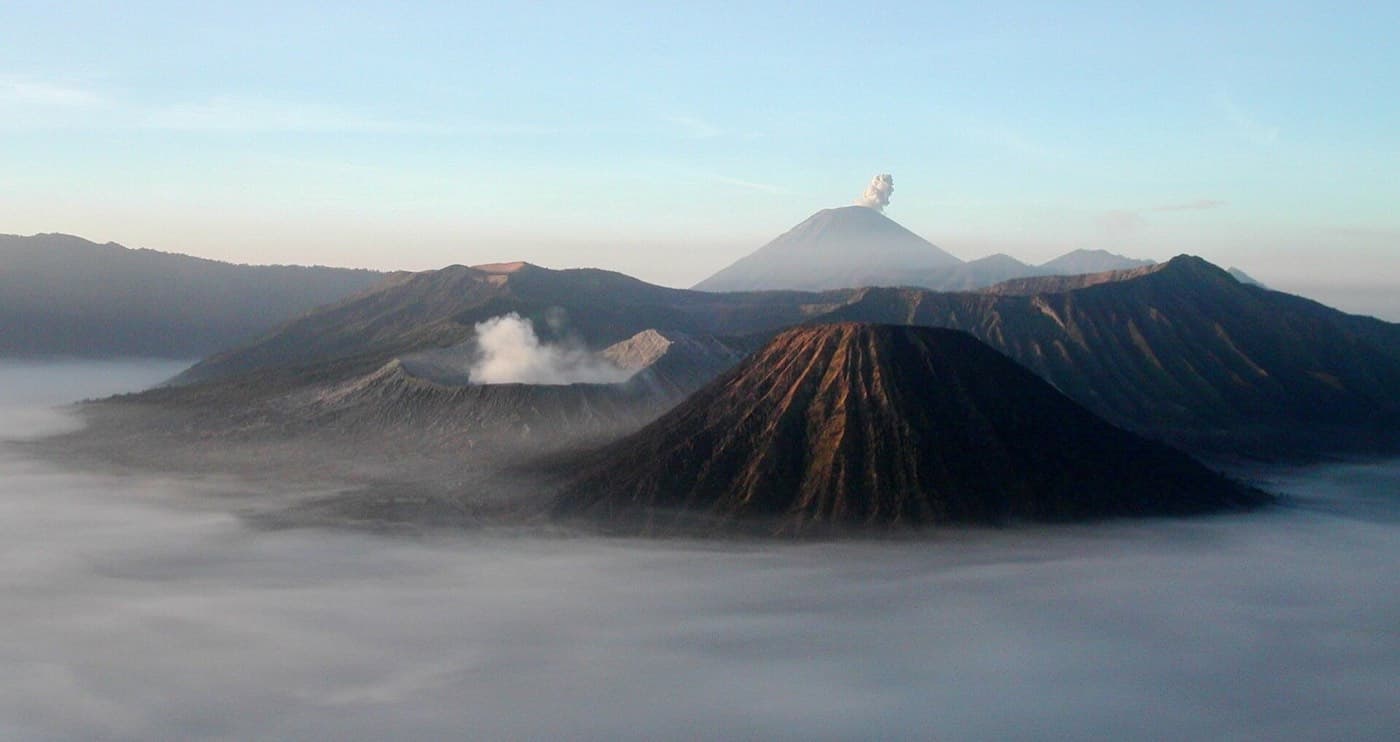
Photo: Thomas Hirsch · CC BY-SA 3.0
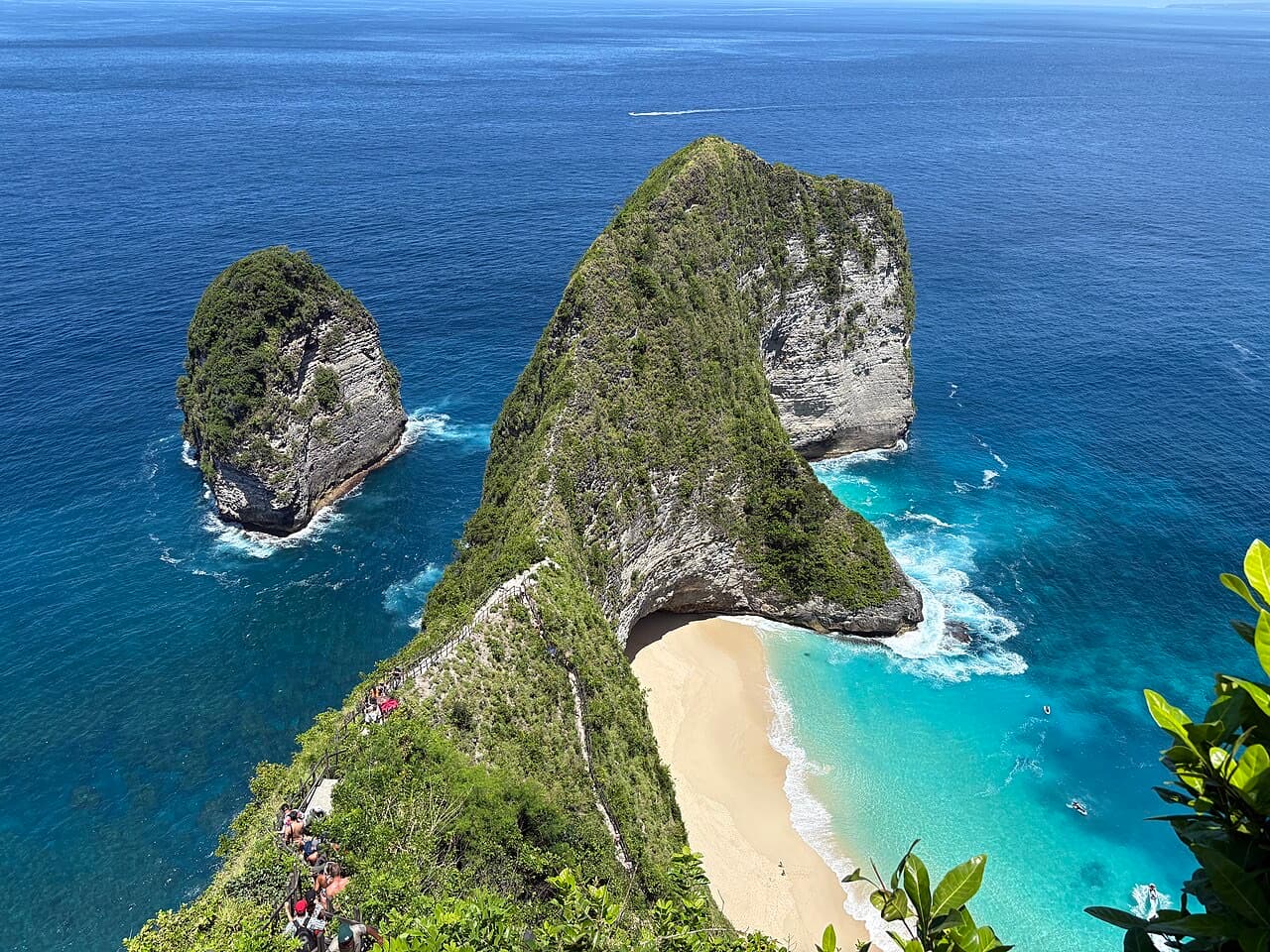
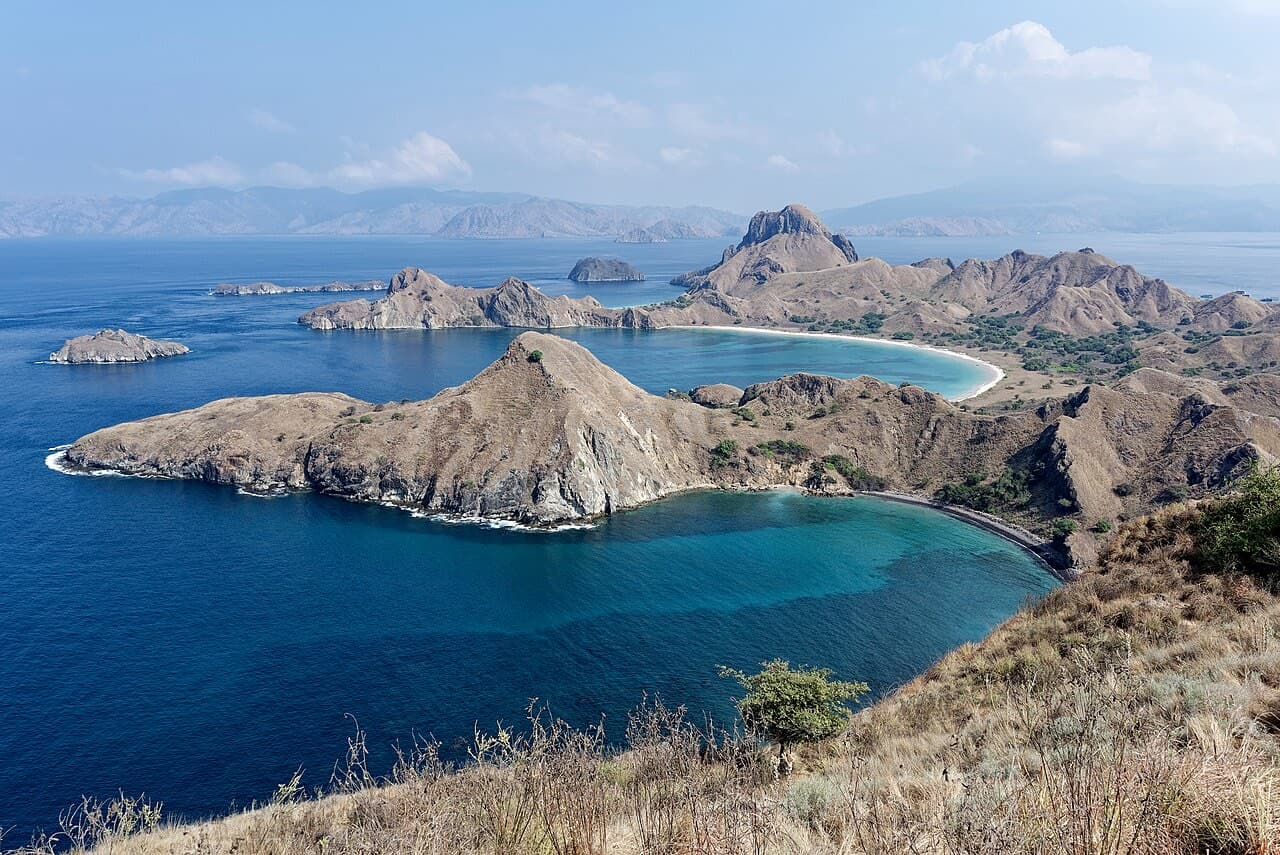
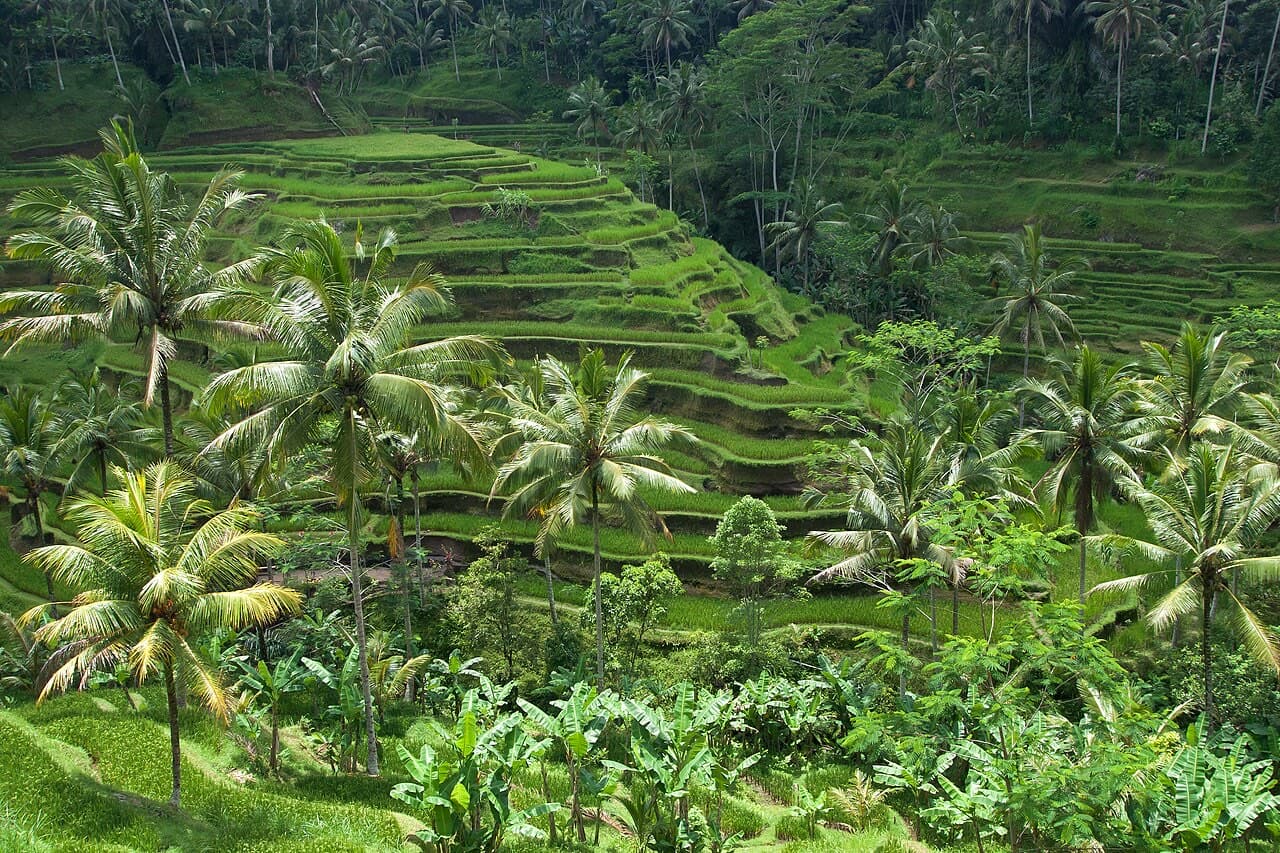
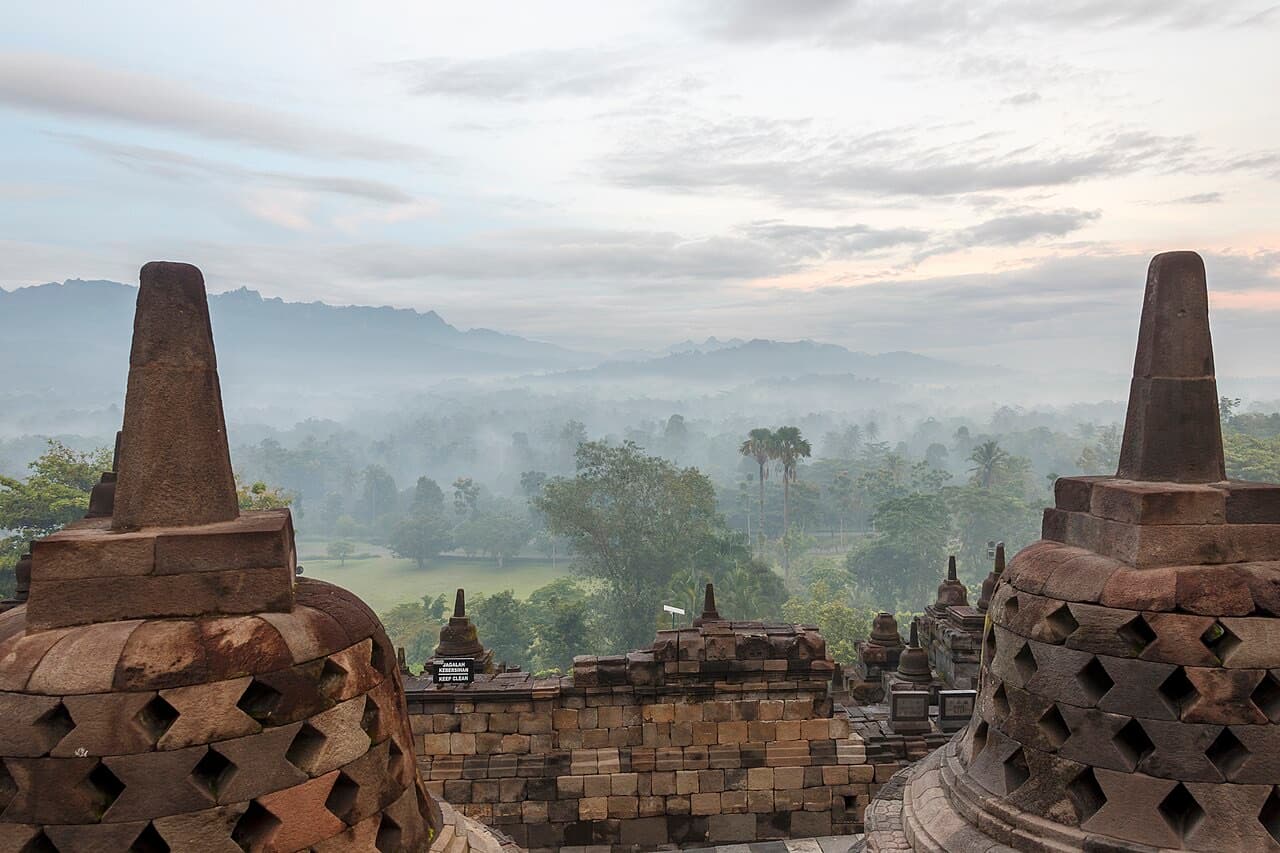
Indonesia is less a single destination than a long arc of islands, each with its own language, cooking and landscape. Java holds the court cities and the great stone temples; Bali folds Hindu ceremony into terraced hillsides; further east, the land dries out into the savannah islands around Flores, where Komodo dragons still patrol the shoreline.
The temptation is to cover too much. Distances are larger than they look on a map, and connections between islands depend on weather, season and local timetables. A first trip works well when it follows one line eastwards, from Java through Bali towards Lombok or Flores, with time left for slow mornings and unplanned detours.
Expect early starts for sunrise viewpoints, generous plates of rice and sambal, and a rhythm that rewards patience. Build spare days into the plan and the country opens up.
Why go
Few countries pack so much variety into a single journey. Within a fortnight you can stand on a temple terrace at dawn, peer into a smoking crater, walk through rice fields shaped over centuries and swim above coral within sight of dragon country. The cooking shifts with every island, and hospitality is constant.
Indonesia also rewards different kinds of traveller. Java suits those drawn to history and city life, Bali offers ceremony and comfort, and the islands to the east are for people happy to trade polish for space.
How long to stay
Ten days is enough for two regions at a comfortable pace, such as central Java and Bali. Two to three weeks allows the full west-to-east line as far as Flores. With only a week, choose one island and resist the urge to add another.
A sensible first route
- Jakarta: a night or two to land, adjust and explore the old town.
- Yogyakarta: three nights for Borobudur, Prambanan and the sultan's city.
- Mount Bromo: one night on the caldera rim for the sunrise.
- Ubud: three nights of rice terraces, temples and Balinese cooking.
- Gili Trawangan: two or three slow days of snorkelling and sunsets.
- Labuan Bajo and Komodo National Park: three nights, including time on the water.
Getting around
Trains link the main cities of Java and are a comfortable way to watch the countryside pass. Beyond Java, domestic flights and ferries connect the islands, while private drivers and shared minibuses fill the gaps on land. Services change with season and weather, so check current timetables close to departure and avoid tight same-day connections, especially where boats are involved.
When to go
Much of the country has a drier season through the middle of the year and a wetter one around the turn of the year, though patterns vary between islands. Dry months generally bring clearer mornings for volcano viewpoints and calmer seas for boat trips. The wet season is greener and quieter, with showers that are often heavy but brief.
Practical caveats
Indonesia is religiously diverse, and modest dress is expected at mosques and temples everywhere. Volcanoes and seas set their own terms: viewpoints close, crossings are postponed and plans need slack. Carry cash for small purchases outside the main centres and treat travel days as part of the trip rather than time lost.
Entry requirements, park access arrangements, transport timetables and opening times change. Verify each of them with official sources before you book, and confirm again shortly before you travel.