Destination guide · editorial
Italy
Ancient ruins, Renaissance cities, a lagoon of palaces and a cliff-hung coast, tied together by trains and a deep love of the table.
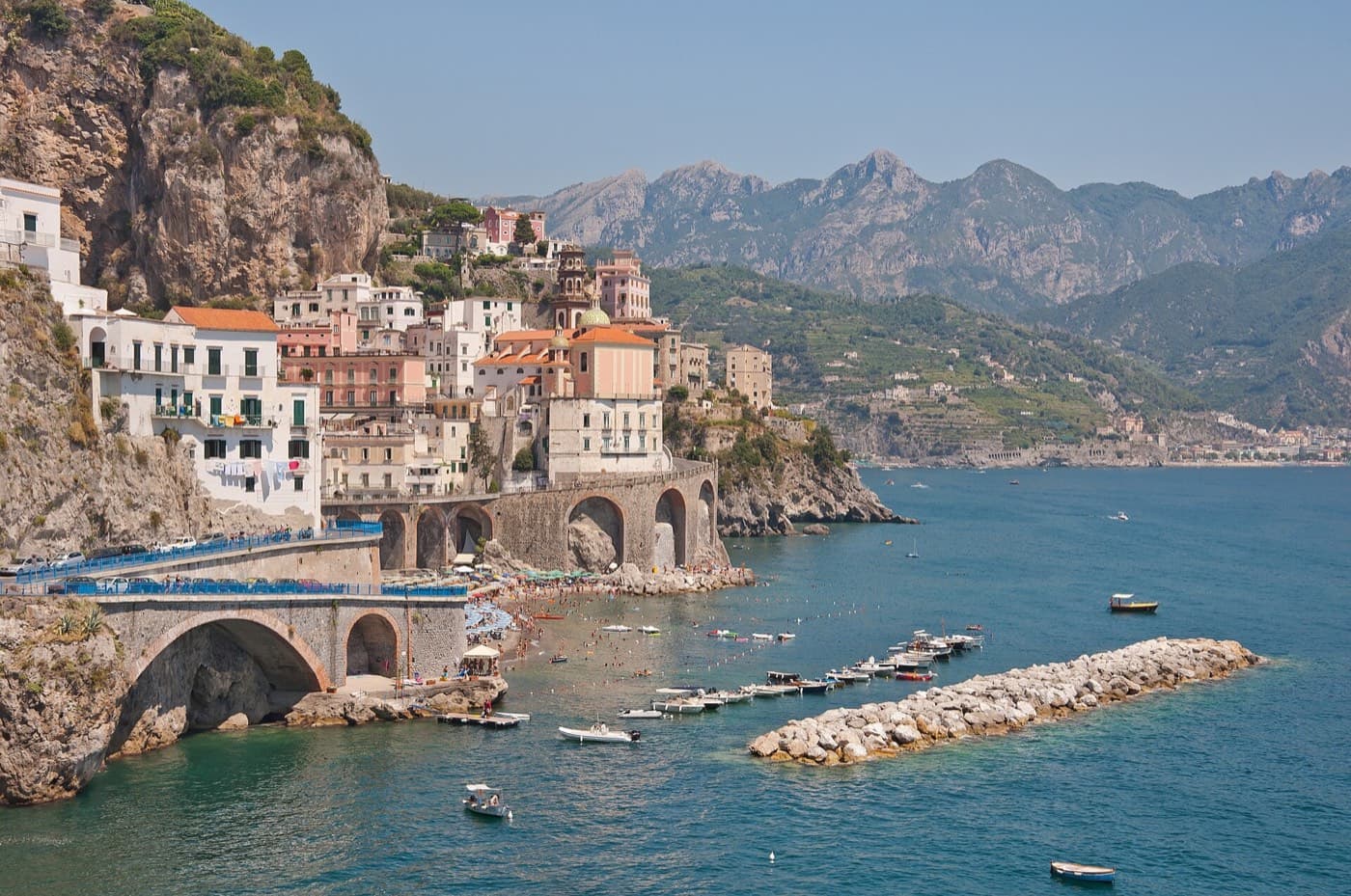
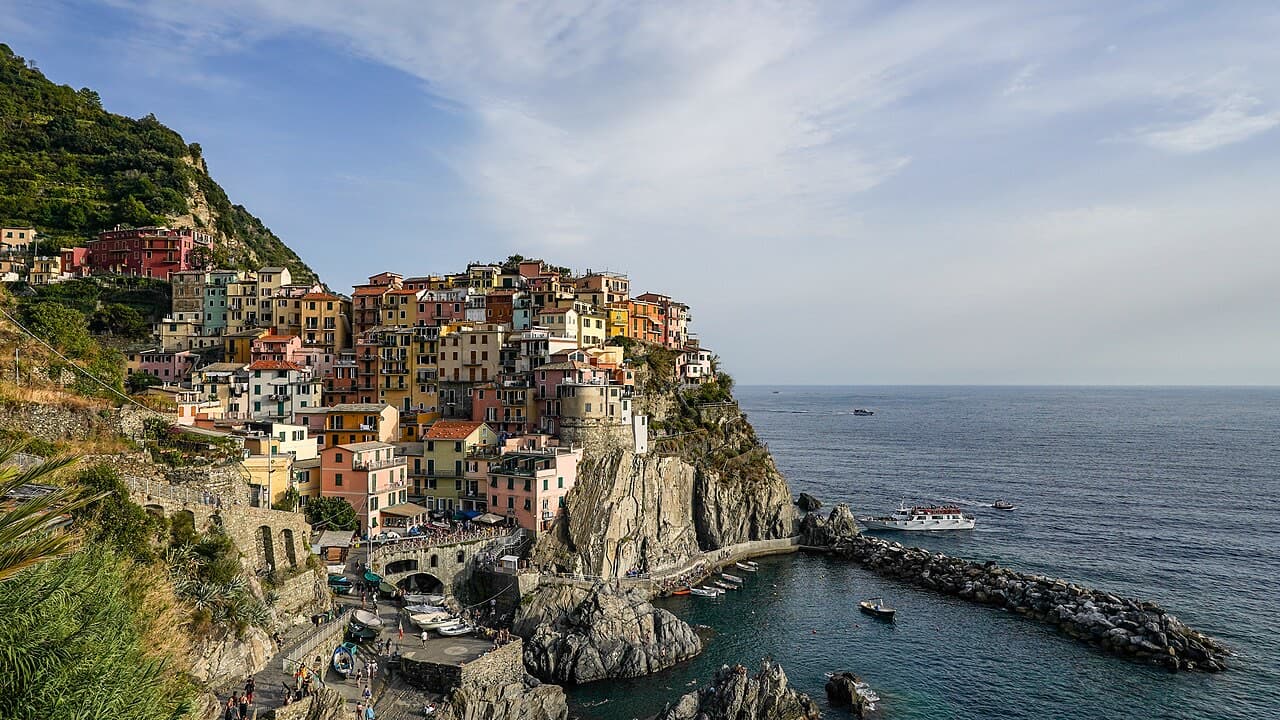
Photo: Paolo Costa Baldi · CC BY 3.0
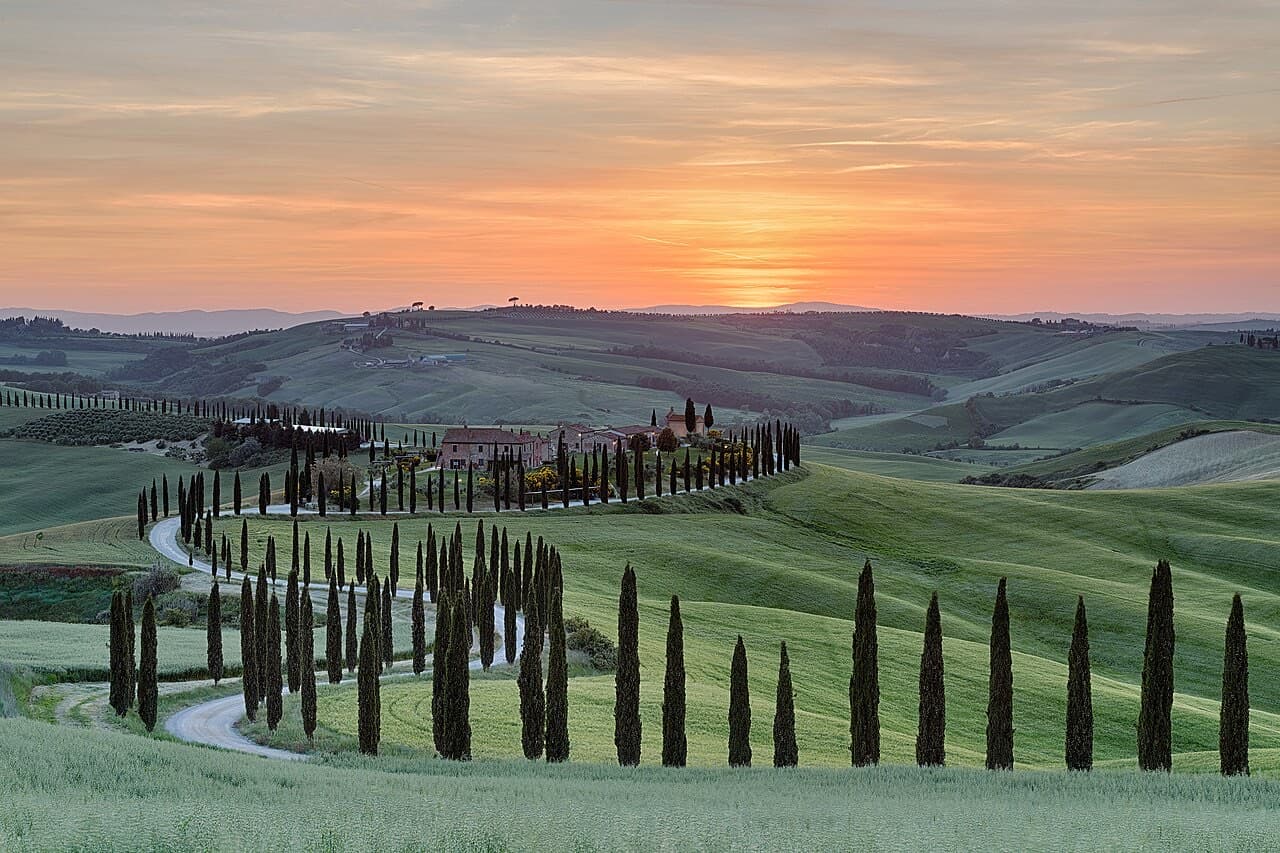
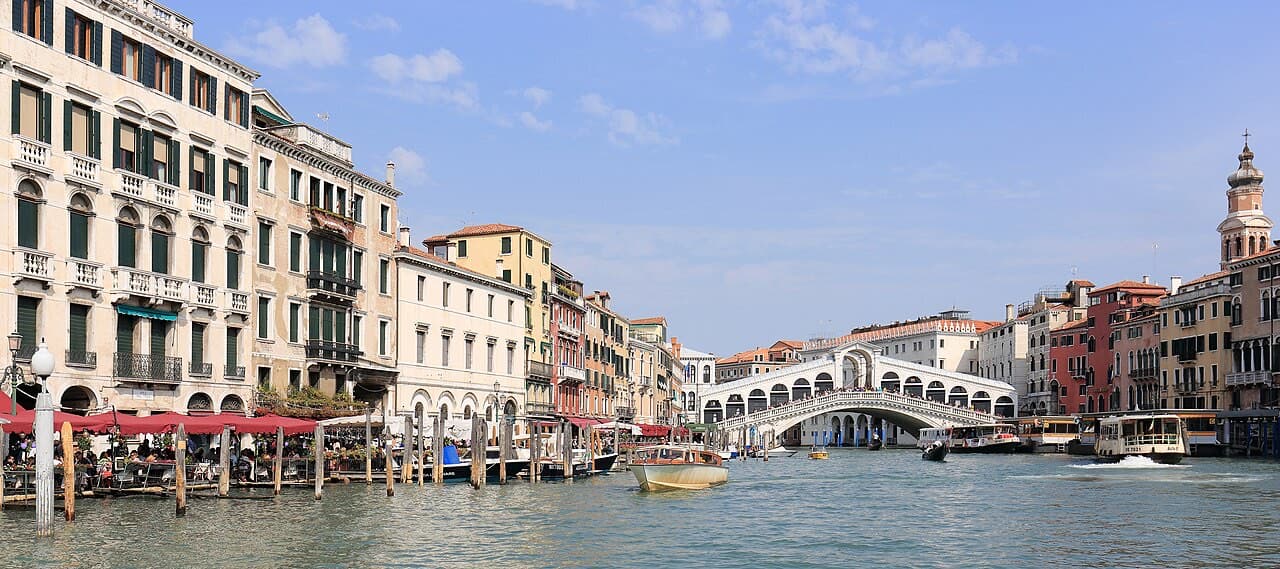
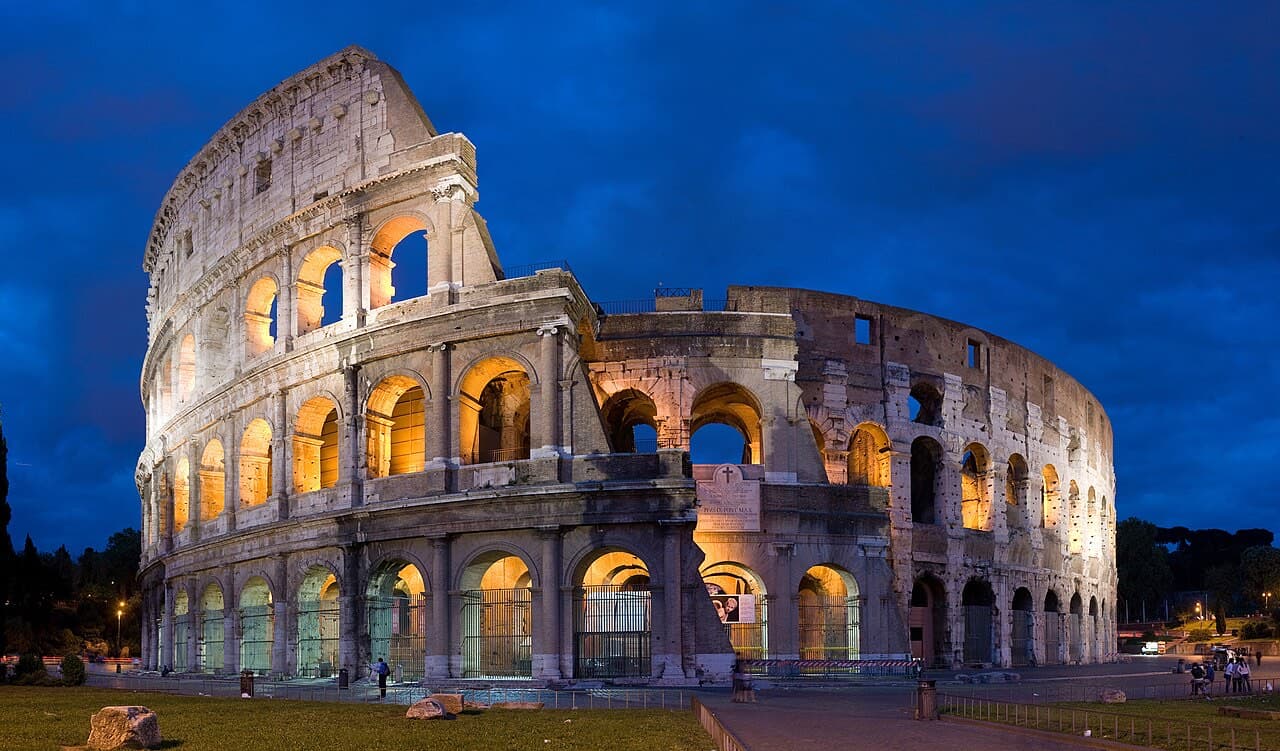
Italy's great cities need little introduction, yet they still surprise in person. Rome layers two and a half thousand years into a single street; Florence compresses the Renaissance into a walkable centre; Venice remains improbable, a city of stone floating on water. Each could fill a week on its own.
The art is only half of it. Daily life here is its own attraction: the morning espresso taken standing, the evening passeggiata, the regional pride that makes a pasta shape a matter of identity. Food changes every hundred kilometres and is worth planning around.
A first journey usually links the three classic cities by rail and adds a few days of sea air on the Ligurian coast. The art of it lies in doing less than you think you should.
Why go
Italy concentrates an extraordinary share of Europe's art and architecture into cities that are still lived in rather than preserved. You do not visit the past here so much as walk through it on the way to lunch.
And lunch matters. Regional cooking is fiercely local, built on a handful of good ingredients treated simply. Even a short trip becomes a tour of distinct food cultures, from Roman pasta to Tuscan grills to Ligurian pesto.
How long to stay
Eight to ten days suits the three classic cities with a breath of sea air in between. Two weeks allows longer stays and day trips into the countryside. With less than a week, choose two bases rather than three.
A sensible first route
- Rome: four nights for the ancient city, the Vatican and long dinners.
- Florence: three nights of Renaissance art and Tuscan cooking.
- Cinque Terre: two nights of coastal walking and swimming.
- Venice: two nights, including at least one early morning.
The order can be reversed, and open-jaw travel, arriving in one city and leaving from another, avoids doubling back.
Getting around
Fast trains connect the major cities and regional services reach the coast and smaller towns. Historic centres are best explored on foot, and Venice has no road traffic at all, only boats and bridges. Driving in city centres is rarely worthwhile because of restricted traffic zones. Check current timetables and any reservation requirements before you travel.
When to go
Spring and autumn offer mild weather and softer light. Summer is hot in the cities and crowded on the coast, with many Italians taking their own holidays in August. Winter is quiet and atmospheric in the cities, though coastal villages wind down and some trails and boat services pause.
Practical caveats
The major museums and monuments commonly use timed tickets that sell out in busy periods, so plan the headline sights first and leave the rest loose. Churches expect covered shoulders and knees. Venice and the Cinque Terre manage visitor numbers in various ways, and arrangements differ from season to season.
Entry requirements, access schemes, trail closures, transport timetables and opening times change. Verify them with official sources before you book, and check again shortly before you travel.