Destination guide · editorial
Morocco
Walled medinas, Atlas passes, Saharan dunes and a breezy Atlantic shore, with craft traditions and cooking that reward the curious.
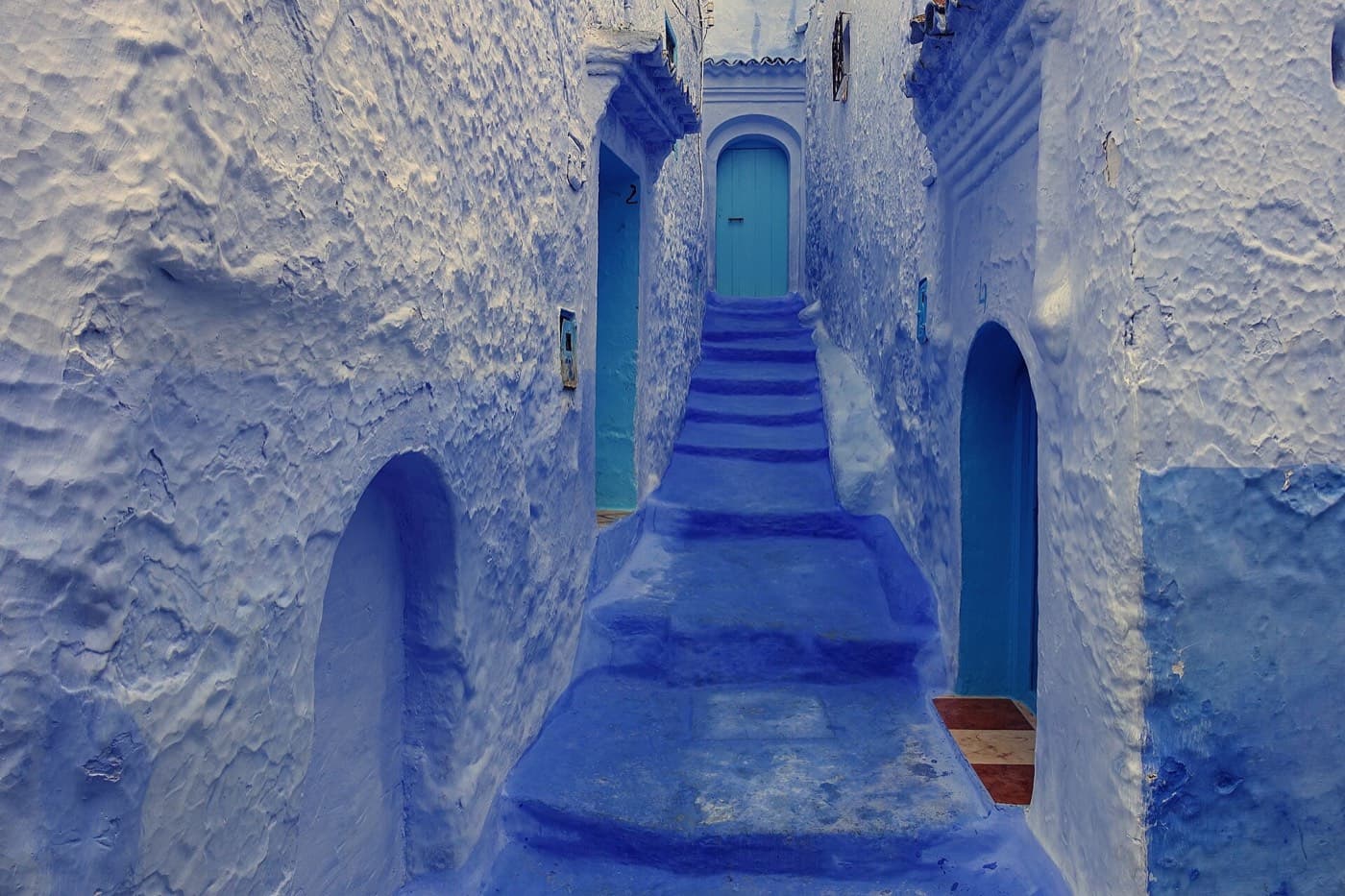
Photo: Fbrandao.1963 · CC BY-SA 4.0
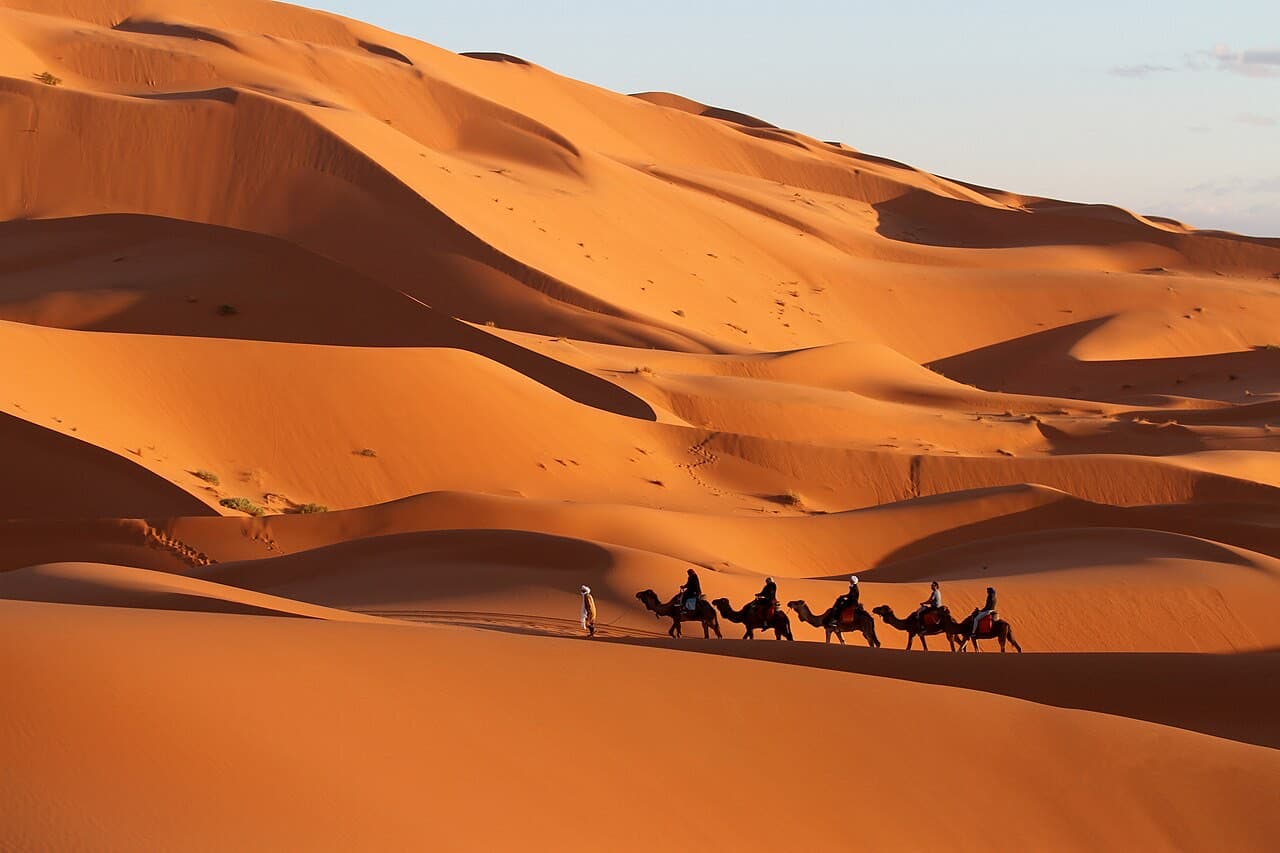
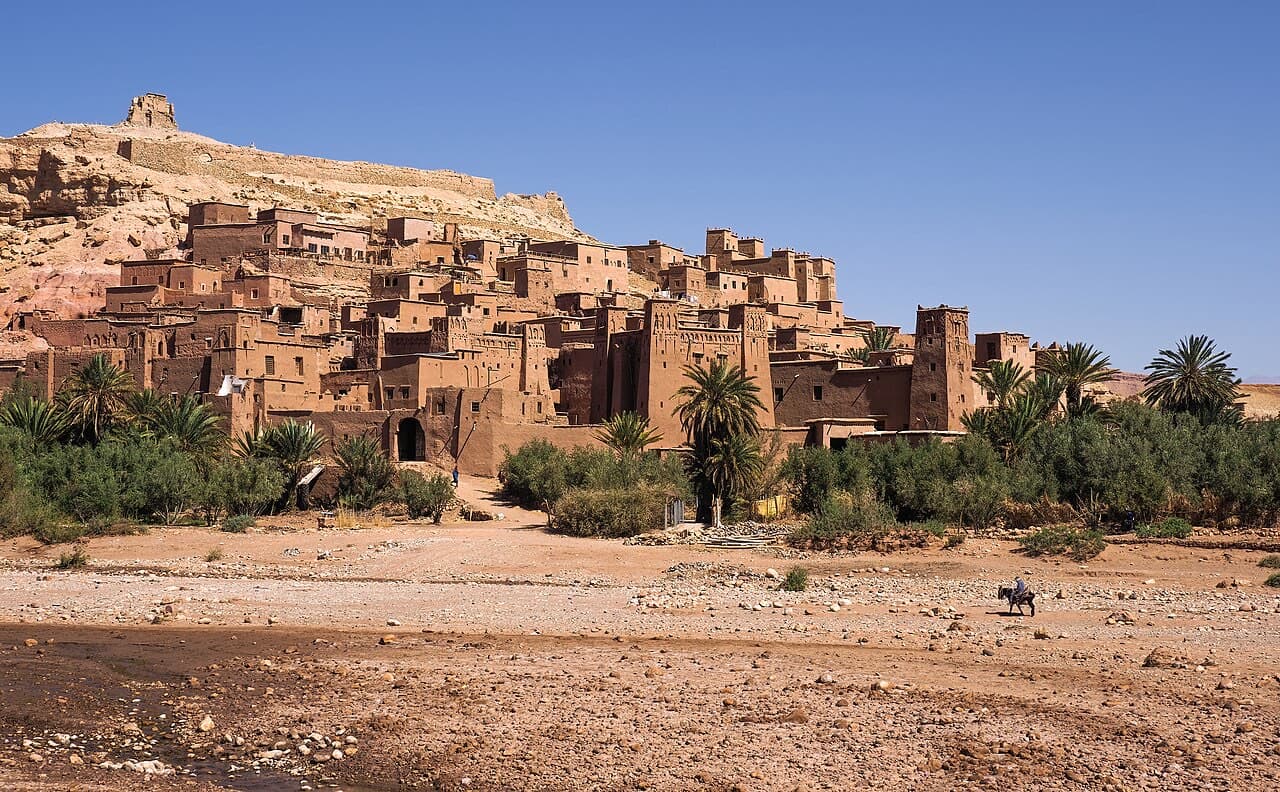
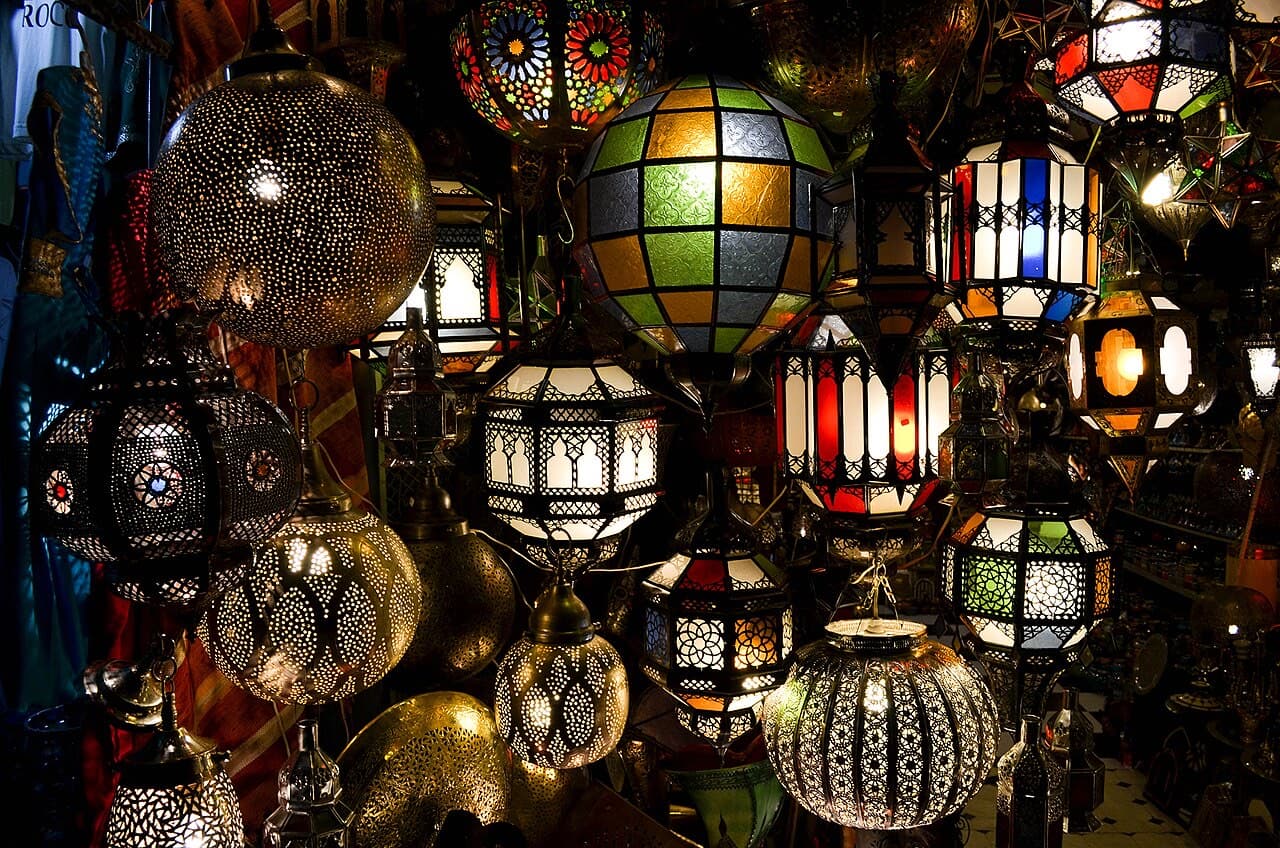
Morocco begins at the edge of Europe and feels a world away. Its old cities are dense, walled and alive with trade, their lanes too narrow for cars and scented with cedar, mint and woodsmoke. Beyond the walls the country opens out dramatically, over the snow-dusted Atlas and down through palm valleys to the first dunes of the Sahara.
The contrasts are part of the appeal. A morning in a centuries-old madrasa might be followed by an afternoon on a rooftop with mint tea, and a few days later by a night under desert stars or a walk along Atlantic ramparts.
Travel here asks for a little patience and a sense of humour, especially in the souks. In return it offers extraordinary craftsmanship, generous hospitality and landscapes that change by the hour.
Why go
Morocco offers an immediate change of scene: the call to prayer over flat rooftops, alleys of dyers and metalworkers, mountain passes that drop into palm-filled gorges. Its imperial cities preserve living medieval quarters, and its landscapes run from cedar forest to sand sea.
It is also a country of the senses. The cooking is fragrant rather than fiery, built on preserved lemon, saffron, cumin and slow heat, and tea is poured for every guest. Craft is everywhere, from tilework to carpets, and still made by hand.
How long to stay
Eight to ten days allows two cities and the desert. Two weeks is better if you want to add the Rif and the Atlantic coast without spending every other day on the road. A long weekend works for Marrakech with a side trip to Essaouira.
A sensible first route
- Chefchaouen: two nights in the blue lanes of the Rif.
- Fes: three nights in the great medieval medina.
- Merzouga: two nights, one of them in a camp among the dunes.
- Marrakech: three nights of palaces, souks and rooftops.
- Essaouira: two nights of sea air to finish.
The overland journey between Fes, the desert and Marrakech crosses the Atlas and is long in either direction. Break it with overnight stops in the valleys along the way rather than attempting it in one push.
Getting around
Trains link the main cities of the north and west, and long-distance buses serve most other towns. The desert and mountain regions are usually reached by bus, shared taxi or a private driver, which gives the most flexibility for stops. Inside the medinas everything is on foot. Check current timetables and allow generous margins on mountain roads.
When to go
Spring and autumn bring warm days and comfortable nights across most of the country. Summer is very hot inland and in the desert, though the Atlantic coast stays cool. Winter is mild in the cities by day but cold at night, with snow on the high passes. The dates of Ramadan move each year and change the daily rhythm, with quiet days and festive evenings.
Practical caveats
Dress modestly, particularly away from the resorts, and ask before photographing people. Most mosques are not open to non-Muslim visitors. In the souks, expect persistent sales patter and unofficial guides; a polite, firm no is usually enough. Agree prices for taxis and services before you set off.
Entry requirements, transport timetables, road conditions and opening times change. Verify them with official sources before you book, and check again shortly before you travel.