Destination guide · editorial
New Zealand
Two long islands of volcanoes, fiords and quiet roads, where the journey between places is as memorable as the stops.
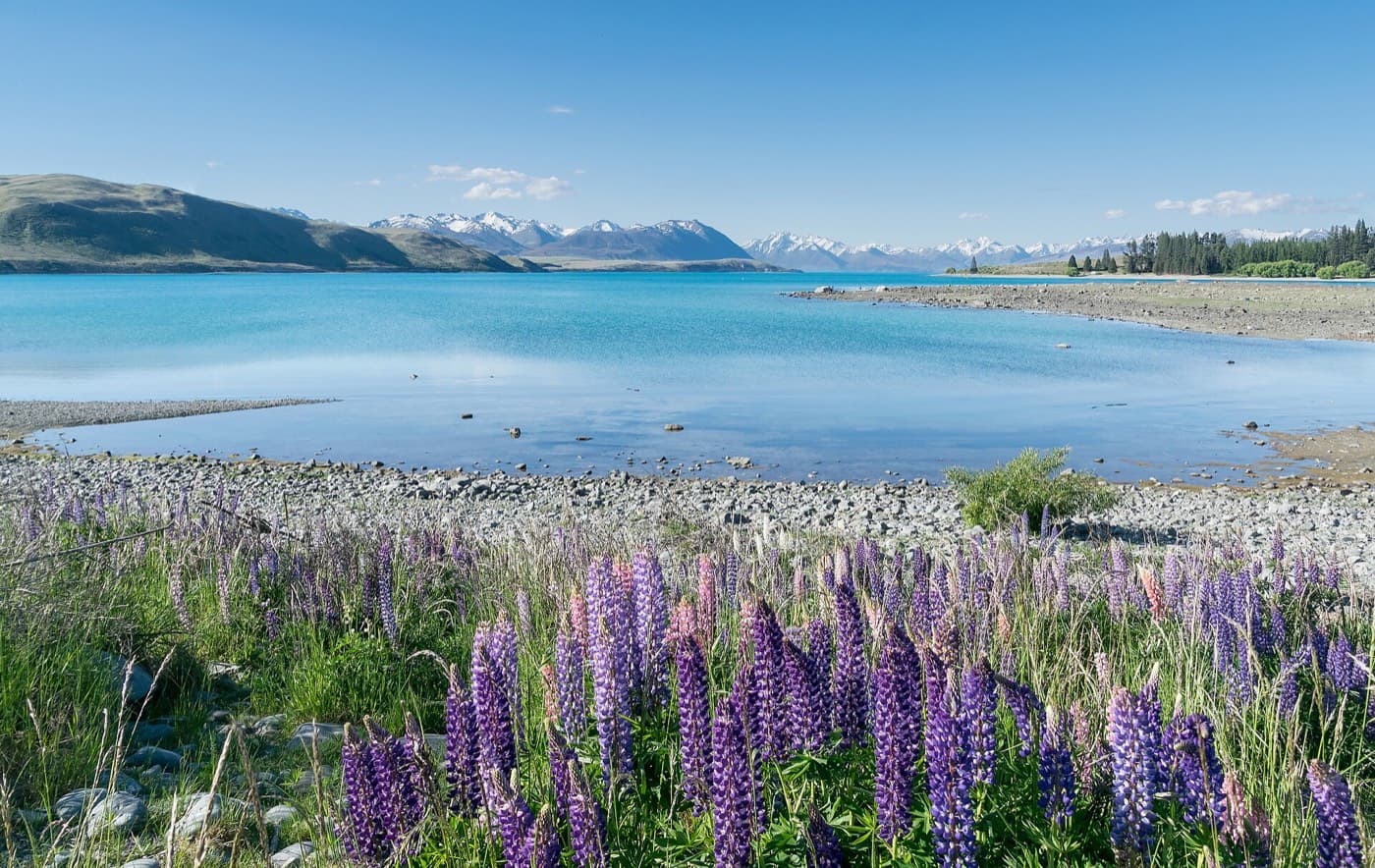
Photo: Krzysztof Golik · CC BY-SA 4.0
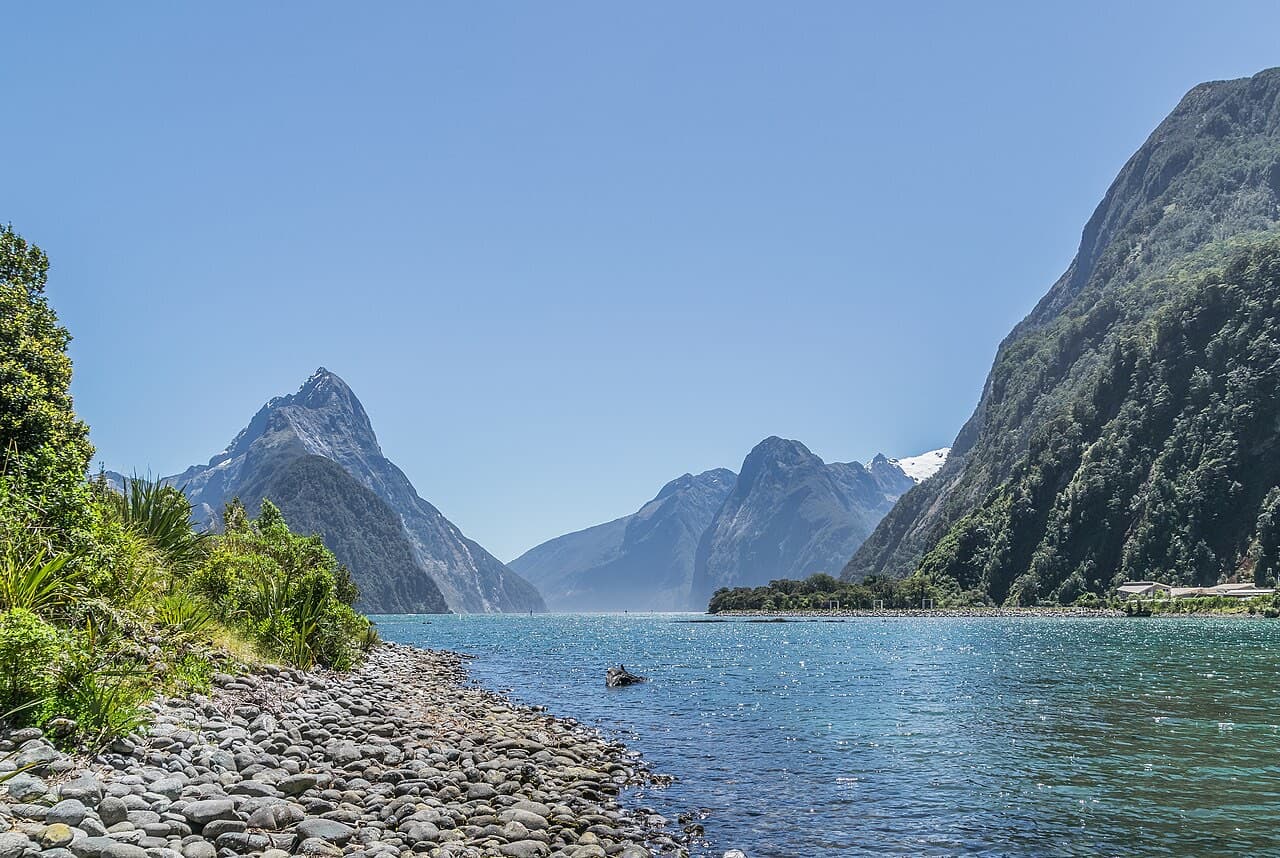
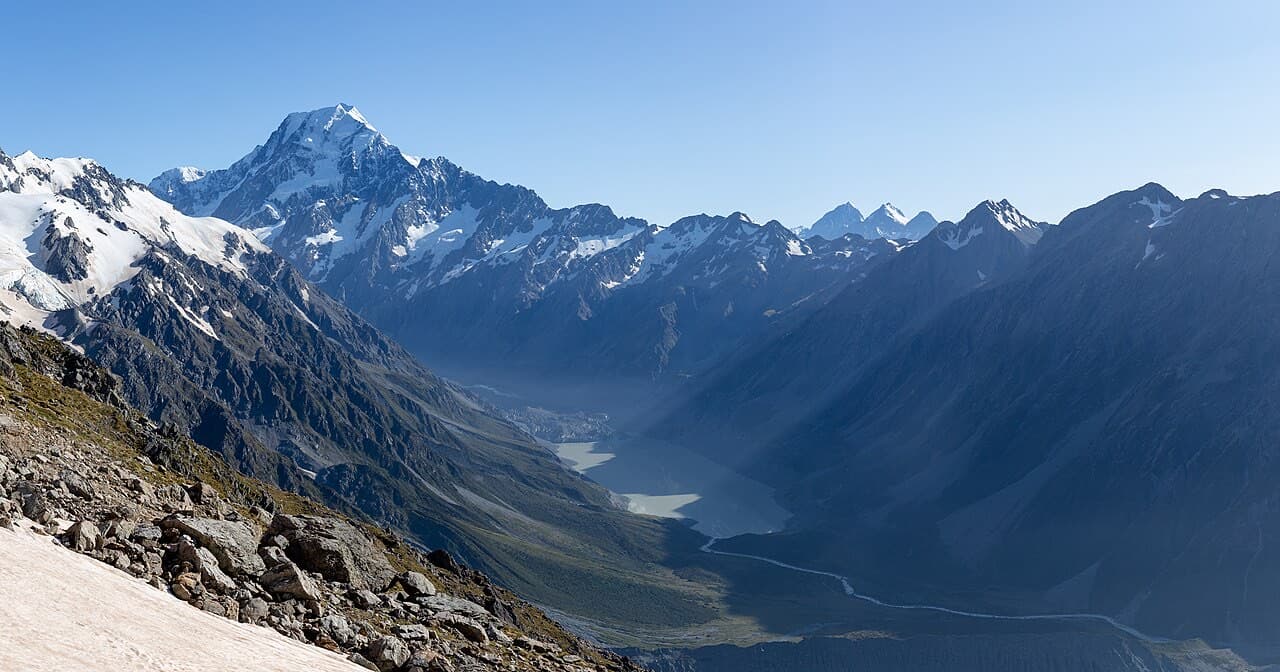
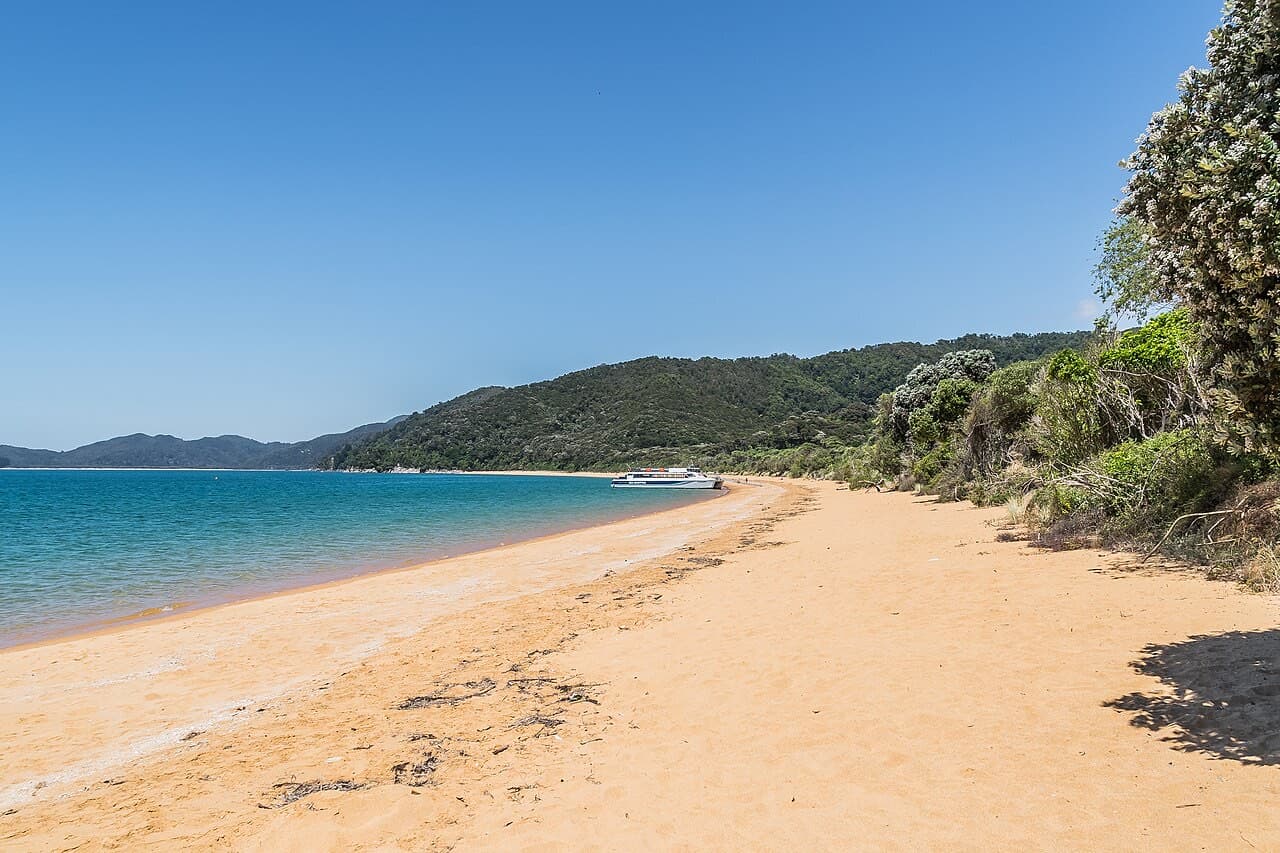
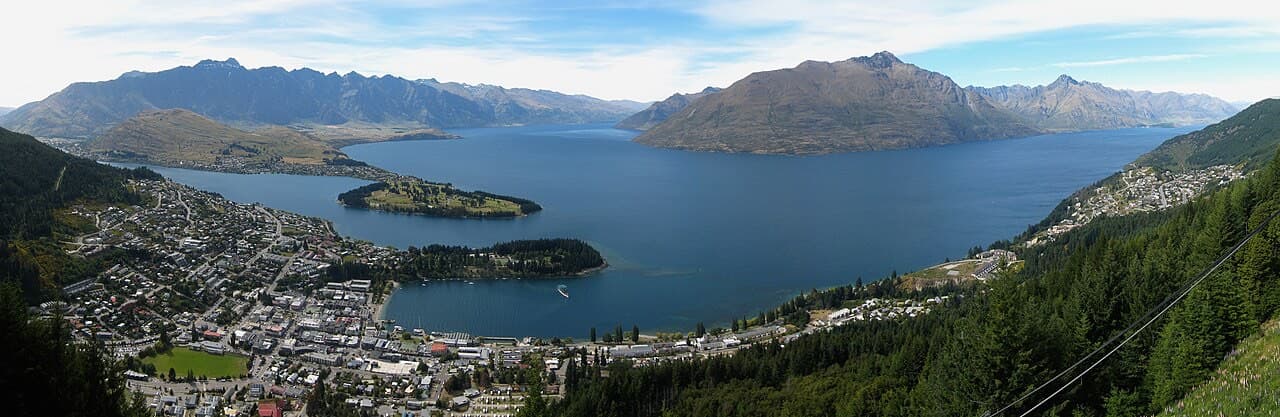
New Zealand, or Aotearoa, is a country shaped for road trips. The North Island is warmer and more populated, with harbour cities, geothermal valleys and the strongest presence of Māori culture. The South Island is emptier and more dramatic: braided rivers, glacial lakes, alpine passes and, in the far south-west, the drowned valleys of Fiordland.
On a map the distances look modest. On the ground, roads wind around hills and coastlines, and the scenery repeatedly tempts you to stop. The trips that work best choose fewer bases and stay longer in each, leaving room for a walk, a swim or a change of plan when the weather turns.
It is also a country where the outdoors is taken seriously and treated with care. Tracks are well marked, conditions change fast, and a little preparation goes a long way.
Why go
New Zealand offers an unusual concentration of landscapes in a small, easily travelled country: volcanic plateaux, temperate rainforest, alpine lakes and deep fiords. Add a distinctive Māori culture, a confident food and wine scene and an outdoors culture that welcomes beginners, and it is easy to see why visitors tend to return.
How long to stay
Two weeks is a comfortable minimum for seeing something of both islands. With three weeks you can travel overland more of the way and add walks or rest days. If you have ten days or fewer, consider choosing one island and doing it properly rather than skimming both.
A sensible first route
A north-to-south line makes geographic sense and saves the most dramatic scenery for last.
- Auckland: two nights to arrive, adjust and explore the harbour and gulf.
- Rotorua: two nights for geothermal landscapes and Māori culture.
- Wellington: two nights in the capital for museums, coffee and harbour views.
- Queenstown: three nights for lakes, mountains and as much or as little adventure as you like.
- Fiordland: two nights based in Te Anau, giving time for a fiord and a walk.
Getting around
Most visitors drive, in a hire car or campervan, and the freedom to stop at will is a large part of the appeal. Vehicles keep to the left, many roads are single carriageway and winding, and journeys usually take longer than the map suggests. Domestic flights link the main centres and are a practical way to bridge the islands, while ferries cross Cook Strait between Wellington and the top of the South Island. Long-distance coaches cover the main routes for those who prefer not to drive.
When to go
The seasons are the reverse of the northern hemisphere. Summer brings long days, warm water in the north and the busiest roads and tracks. Autumn is settled and golden, particularly in Central Otago, and spring is fresh, green and changeable. Winter is for skiing around Queenstown and for quiet, crisp days elsewhere, though some alpine roads and tracks can be affected by snow.
Practical caveats
- Weather shifts quickly, especially in Fiordland and the mountains. Carry warm and waterproof layers on every walk, even in summer.
- Huts and campsites on the Great Walks, and popular activities in peak season, are often reserved well in advance.
- Biosecurity is taken seriously on arrival; clean outdoor gear and declare anything you are unsure about.
- The sun is strong. Use high-protection sunscreen and cover up, even on cool or cloudy days.
Entry requirements, road and track conditions, transport services and opening times change. Verify them with official sources before you book, and check again shortly before you travel.