Destination guide · editorial
Peru
Pacific coast kitchens, high Andean valleys and Inca stonework, linked by a route that rewards a slow climb into the mountains.
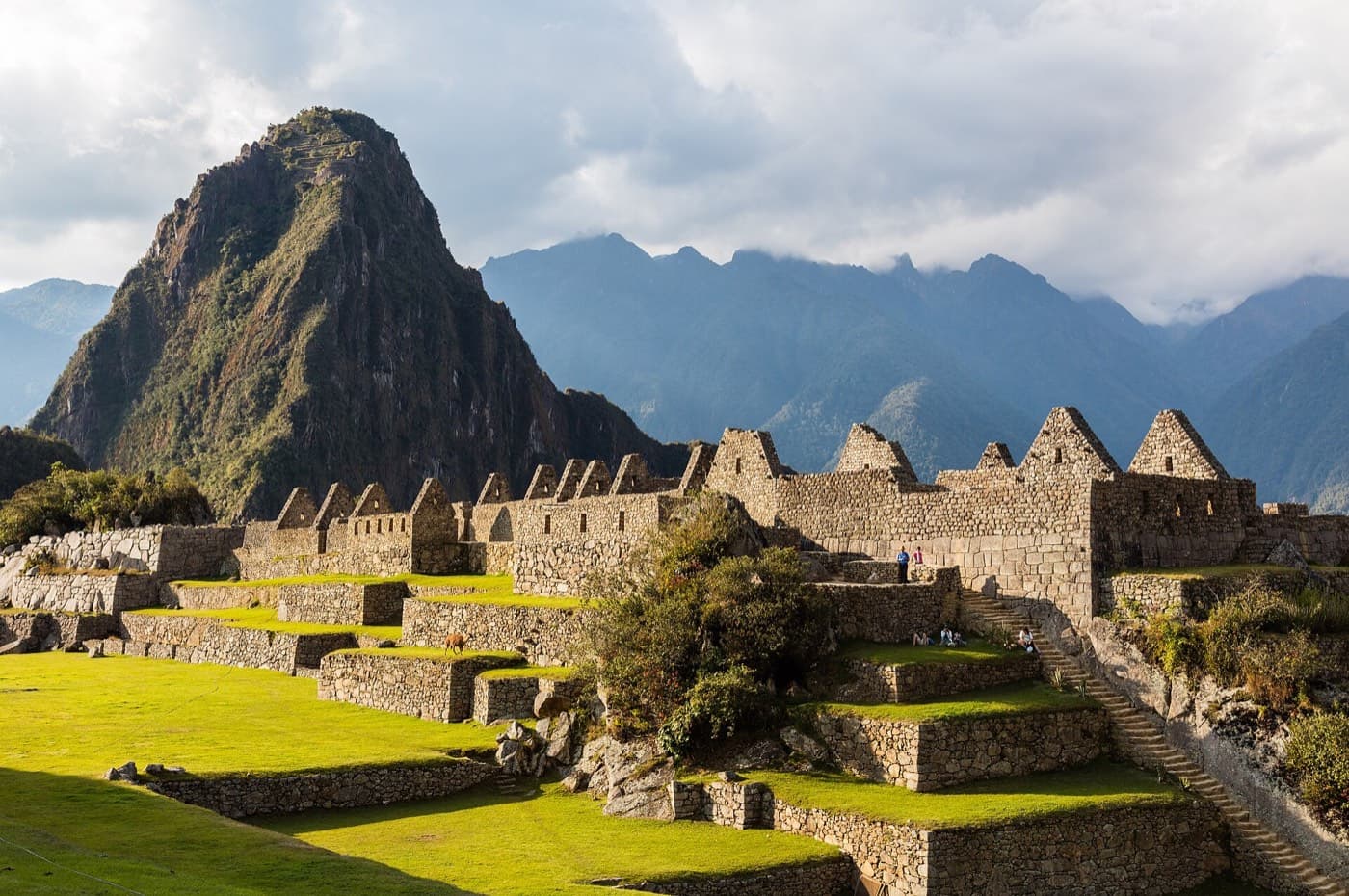
Photo: Diego Delso · CC BY-SA 4.0
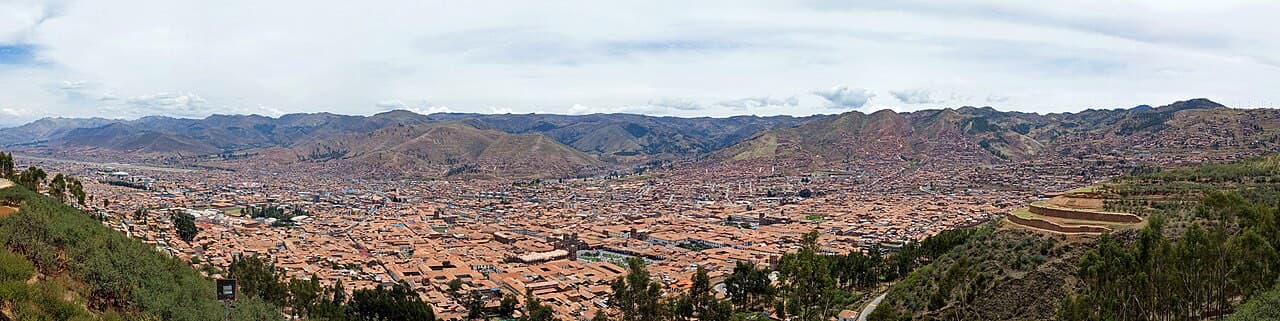
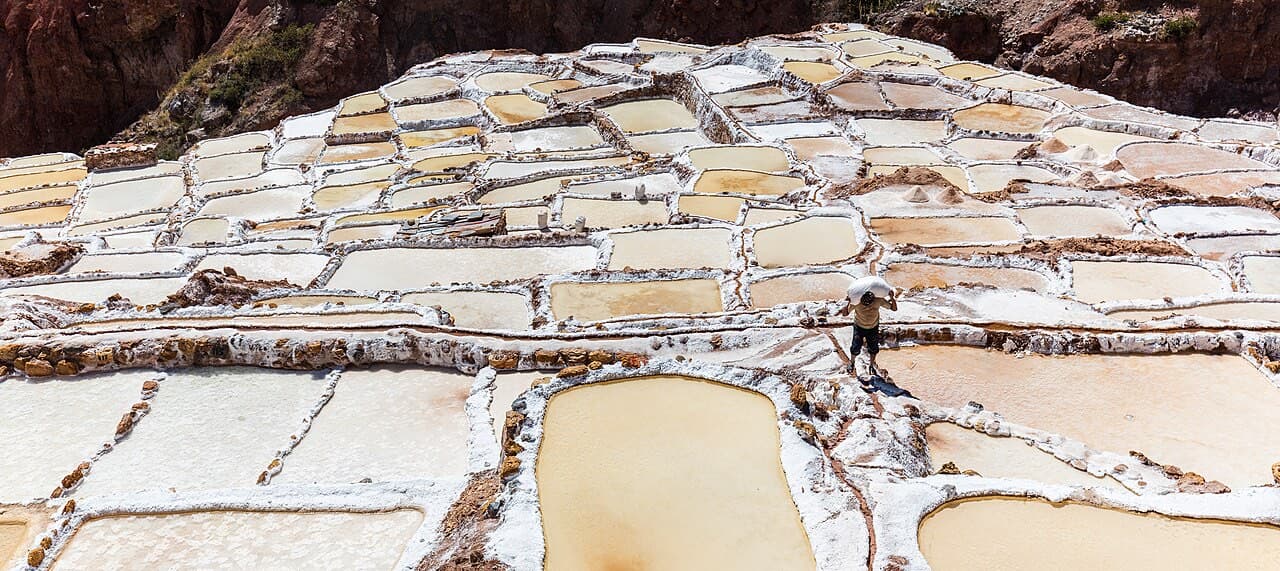
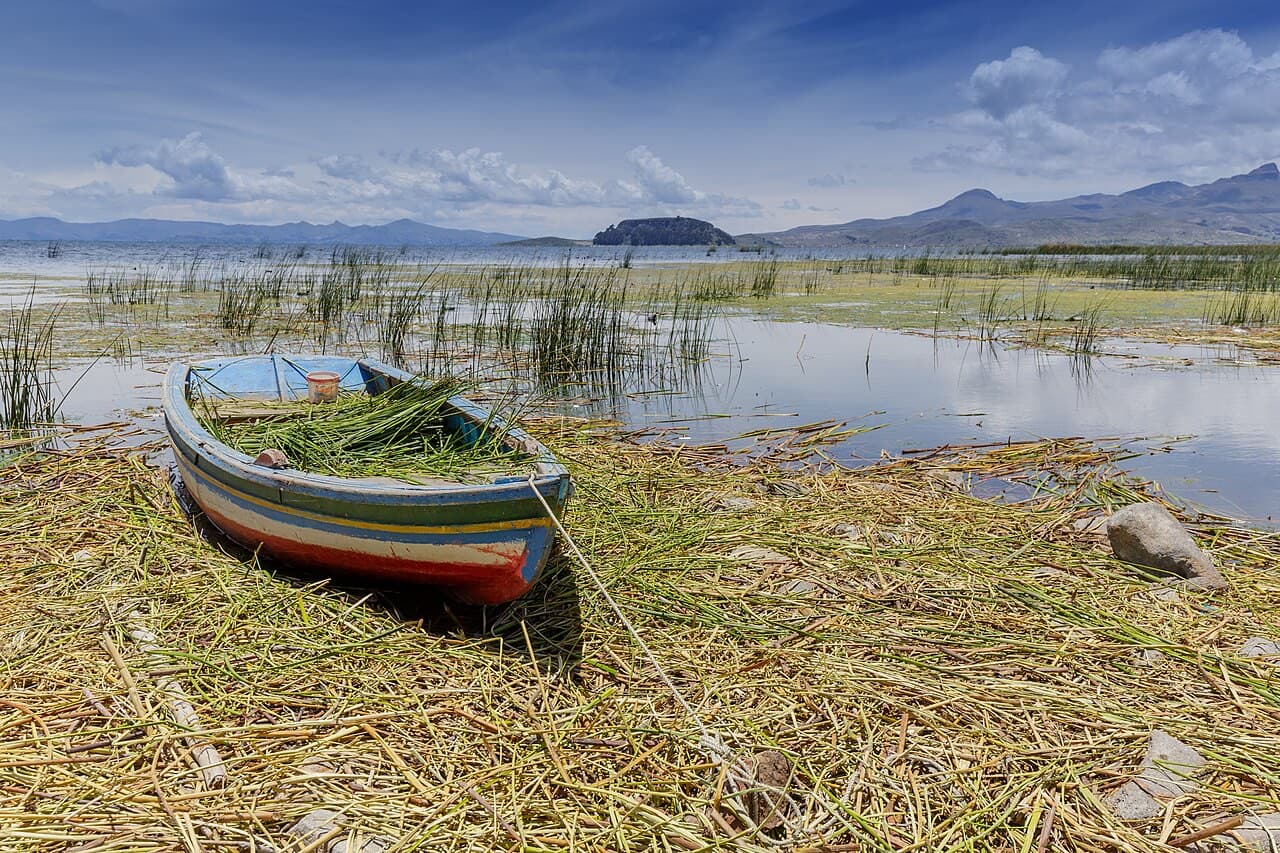
Peru is three countries stacked side by side: a desert coast cooled by the Pacific, a spine of high Andes, and the Amazon basin beyond. Most first journeys trace a line between the first two, beginning with the food and sea air of Lima and rising into the highlands around Cusco, where Inca walls still carry colonial balconies and Quechua is heard in the markets.
The mountains set the pace. Altitude is a real consideration, and the itineraries that work are the ones that climb gradually, leave empty afternoons, and treat the Sacred Valley as a place to stay rather than a corridor to Machu Picchu. The citadel itself is as striking as its reputation suggests, but it is one day in a trip that has much more to offer.
Further south, Arequipa adds a different register: a city of pale volcanic stone beneath snow-capped cones, with a proud regional kitchen and deep canyons within reach. Travel here asks for a little patience with distances and weather, and repays it generously.
Why go
Few countries pack so much variety into a single journey. Within one trip you can eat on the Pacific coast, walk through a living Inca town plan, stand above cloud forest at Machu Picchu and watch condors over a canyon. The cultural depth is matched by the landscape, and the cooking, built on an extraordinary range of native ingredients, is reason enough on its own.
How long to stay
Around nine or ten days covers Lima, the Sacred Valley, Machu Picchu and Cusco without feeling hurried. Two weeks or a little more lets you add Arequipa and the Colca Canyon, or simply slow down. Shorter trips are possible, but the altitude punishes tight schedules; if time is limited, cut places rather than rest days.
A sensible first route
The classic mistake is to fly to Cusco and start sightseeing at once. A kinder sequence begins at sea level and gains height in steps, using the lower Sacred Valley as a staging post before the city.
- Lima: two nights to recover from the journey, eat well and see the historic centre and Barranco.
- Sacred Valley: two nights among the terraces and market towns, at a lower altitude than Cusco.
- Machu Picchu: one night in Aguas Calientes so you can enter the citadel early.
- Cusco: three nights, by which point the altitude should feel manageable.
- Arequipa: two nights or more if time allows, ideally with an overnight in the Colca Canyon.
Getting around
Distances are large and the terrain is dramatic, so most travellers combine domestic flights between the main cities with road transport within each region. Machu Picchu is reached on foot along trekking routes or by rail through the river gorge to Aguas Calientes; there is no direct road to the site. Mountain roads are slow and winding, so allow generous margins and avoid stacking long transfers on consecutive days.
When to go
The Andean dry season, broadly the middle of the year, brings clear skies, cold nights and the largest crowds. The wetter months are greener and quieter but can bring heavy rain, cloud and occasional disruption to trails and transport. The shoulder months on either side are often a good compromise. Lima runs to its own rhythm: grey and misty for much of the highland dry season, sunnier in the southern summer.
Practical caveats
- Altitude affects people unpredictably. Plan a gradual ascent, keep the first highland days light and speak to a health professional before travelling if you have concerns.
- Entry tickets, trekking permits and train seats for Machu Picchu are limited and are frequently reserved far in advance.
- Weather in the mountains changes quickly; pack layers and waterproofs whatever the season.
- Carry some cash for markets and small towns, where card payment is less common.
Entry requirements, site access rules, transport services and opening times change. Verify all of them with official sources before you book, and check again shortly before you travel.