Destination guide · editorial
Portugal
Tiled cities, terraced wine valleys and an Atlantic coast of golden cliffs, all within a compact country that is easy to cross.
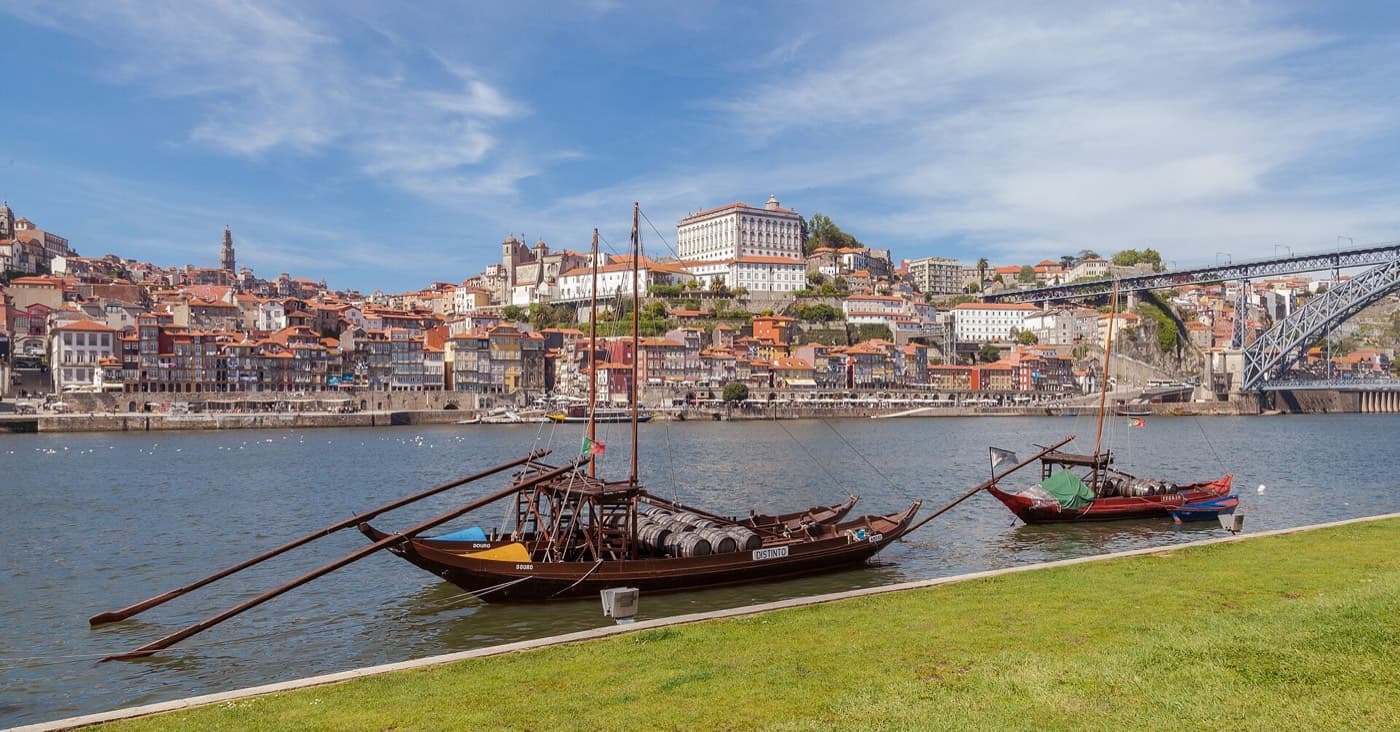
Photo: Diego Delso · CC BY-SA 3.0
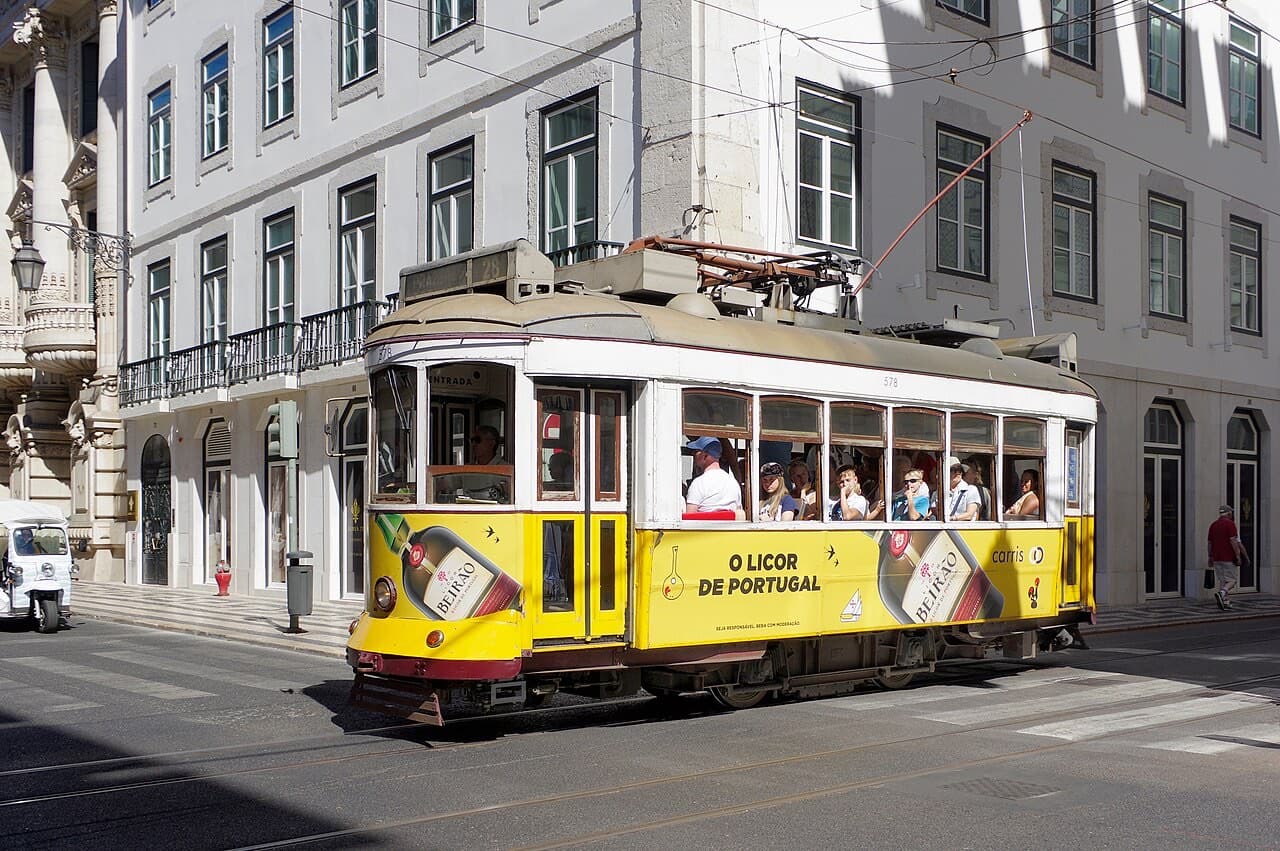
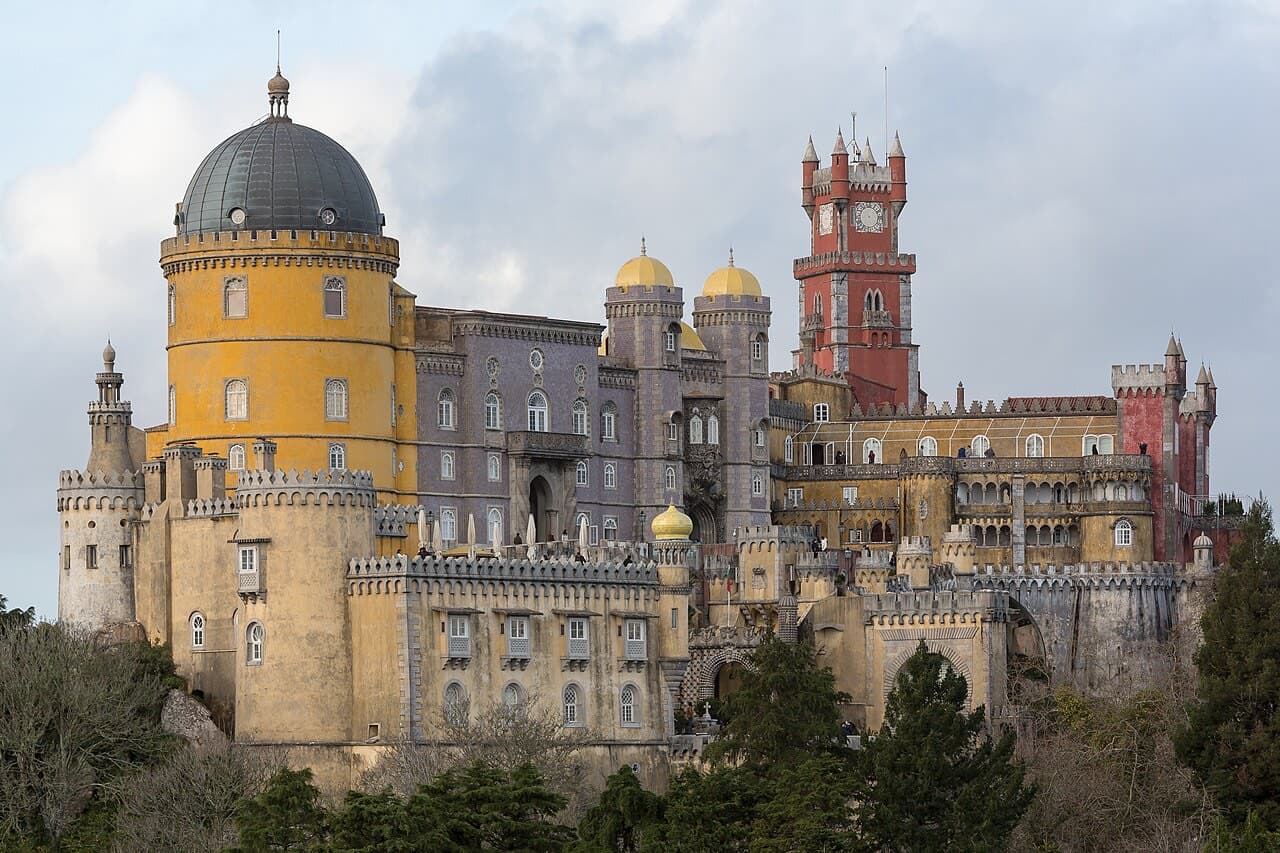
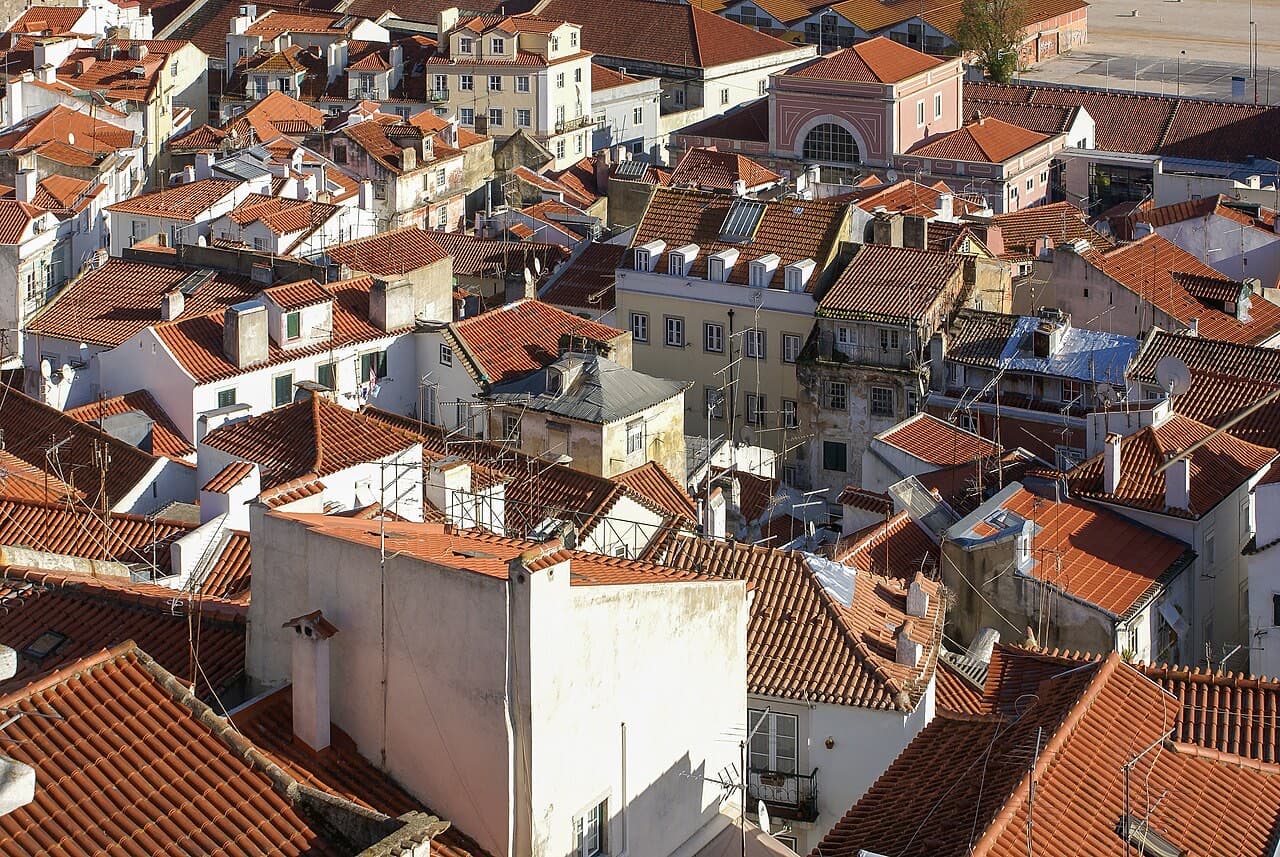
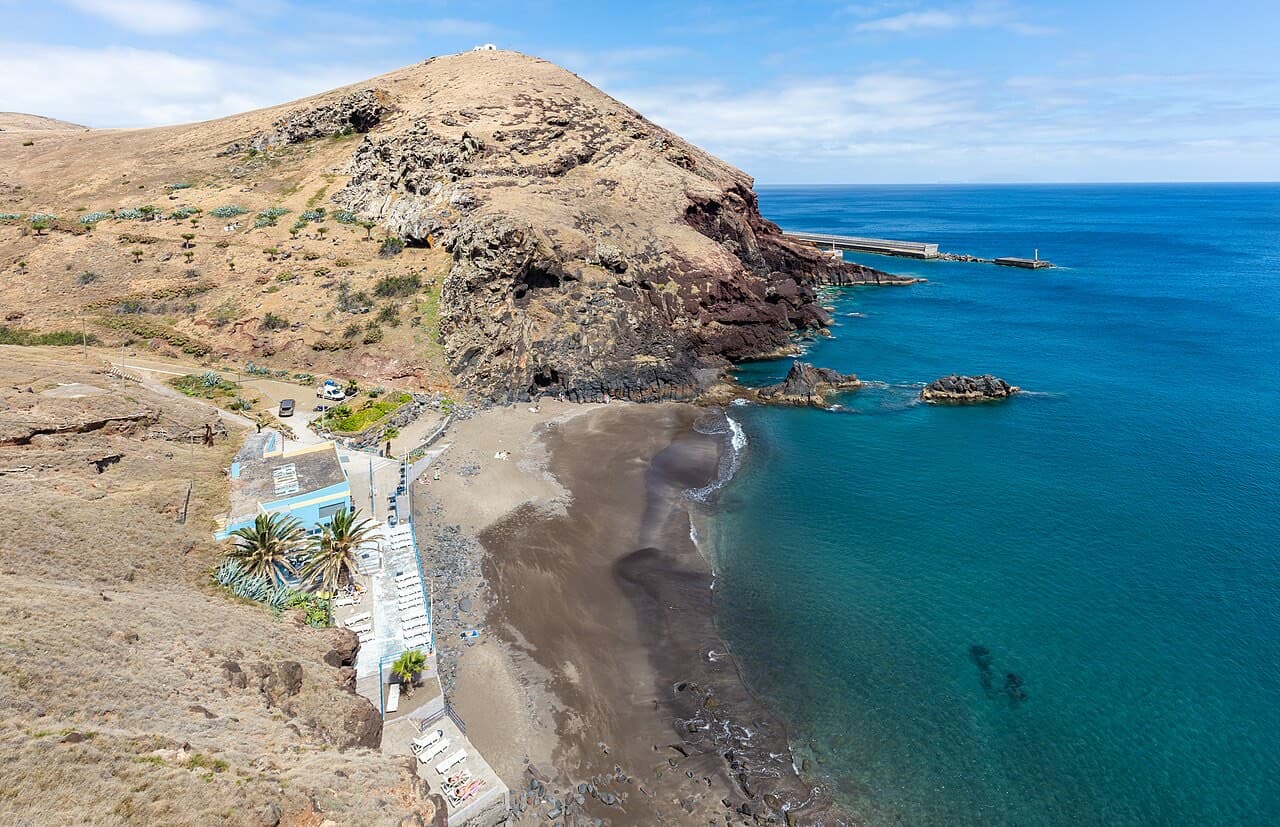
Portugal is small enough to cross in a day and varied enough to fill a month. Lisbon tumbles down its hills to the Tagus in a clatter of trams and tiled facades; Porto stacks granite houses above the Douro; between and beyond them lie cork-oak plains, walled towns and a coastline that runs from wild surf to sheltered coves.
The pace is unhurried and the pleasures are simple: a custard tart still warm from the oven, grilled fish with nothing more than olive oil and salt, a glass of something local as the light turns amber. The Atlantic keeps the climate mild for much of the year.
A first trip traces the spine of the country from north to south, or the reverse, mixing two cities with a few nights in the countryside or by the sea.
Why go
Portugal fits a great deal into a small frame. Two characterful cities, a historic wine valley, sun-baked plains and an Atlantic coast all sit within easy reach of one another, which means less time in transit and more time at the table or on the beach.
It is also a country of everyday pleasures. Coffee is taken standing at the counter, lunch is a serious matter, and evenings stretch out on squares and terraces. Visitors who slow down to match that rhythm tend to enjoy it most.
How long to stay
A week comfortably covers Lisbon, Sintra and Porto. Ten days adds the Douro Valley or the Alentejo, and two weeks allows a proper stretch on the Algarve coast as well. Long weekends work well for a single city.
A sensible first route
- Porto: three nights of tiled churches, river views and port lodges.
- Douro Valley: two slow nights among the terraced vineyards.
- Lisbon: three nights on the hills above the Tagus.
- Sintra: a day trip or one night among palaces and forest.
- Évora: two nights in the walled heart of the Alentejo.
- Lagos: three nights of cliffs, coves and seafood to finish.
Getting around
Trains link Lisbon and Porto and reach many regional towns, including a scenic line along the Douro. Long-distance buses cover the routes that rail does not. A hire car is useful for the Douro, the Alentejo and the quieter corners of the Algarve, though not in the cities, where steep streets and limited parking make walking and public transport the better choice. Check current timetables before fixing your plans.
When to go
Spring and early autumn bring warm days, wildflowers or the grape harvest, and fewer people. High summer is hot inland and busy on the coast, although the Atlantic keeps the shoreline breezy. Winters are mild and can be wet, particularly in the north, but suit city breaks well.
Practical caveats
Lisbon and Porto are steep and cobbled, so comfortable shoes matter more than you might expect. The Atlantic is colder and rougher than the Mediterranean; heed beach flags and local advice. Popular monuments, especially in Sintra and Belém, often use timed entry and can sell out in busy periods.
Entry requirements, transport timetables, ticketing arrangements and opening times change. Verify them with official sources before you book, and check again shortly before you travel.