Destination guide · editorial
Vietnam
A long, slender country best travelled end to end, from Hanoi's lakes and limestone bays to lantern-lit Hoi An and the energy of the south.
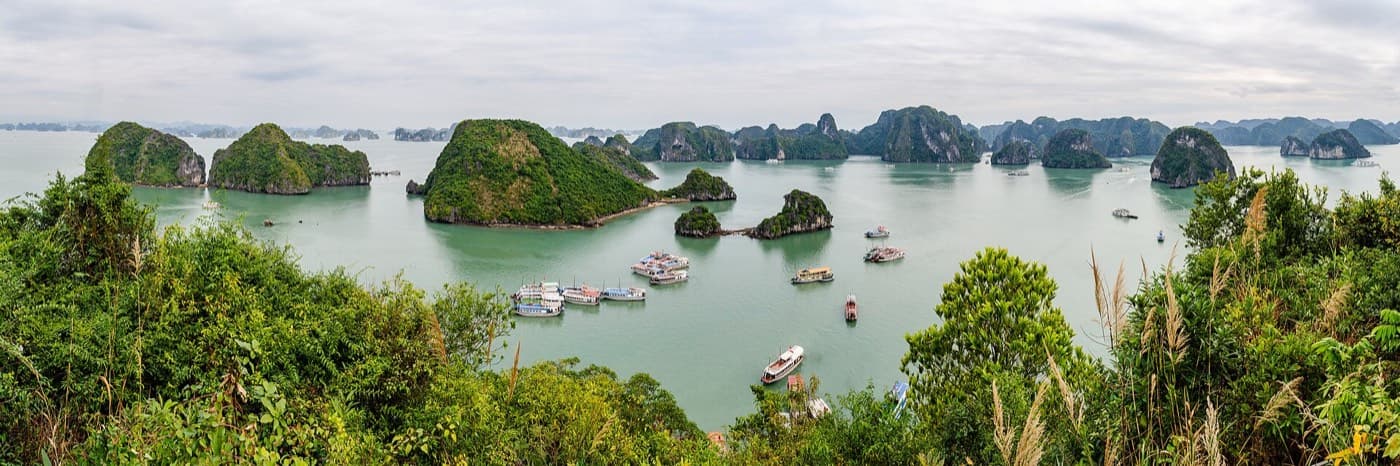
Photo: Steffen Schmitz · CC BY-SA 4.0
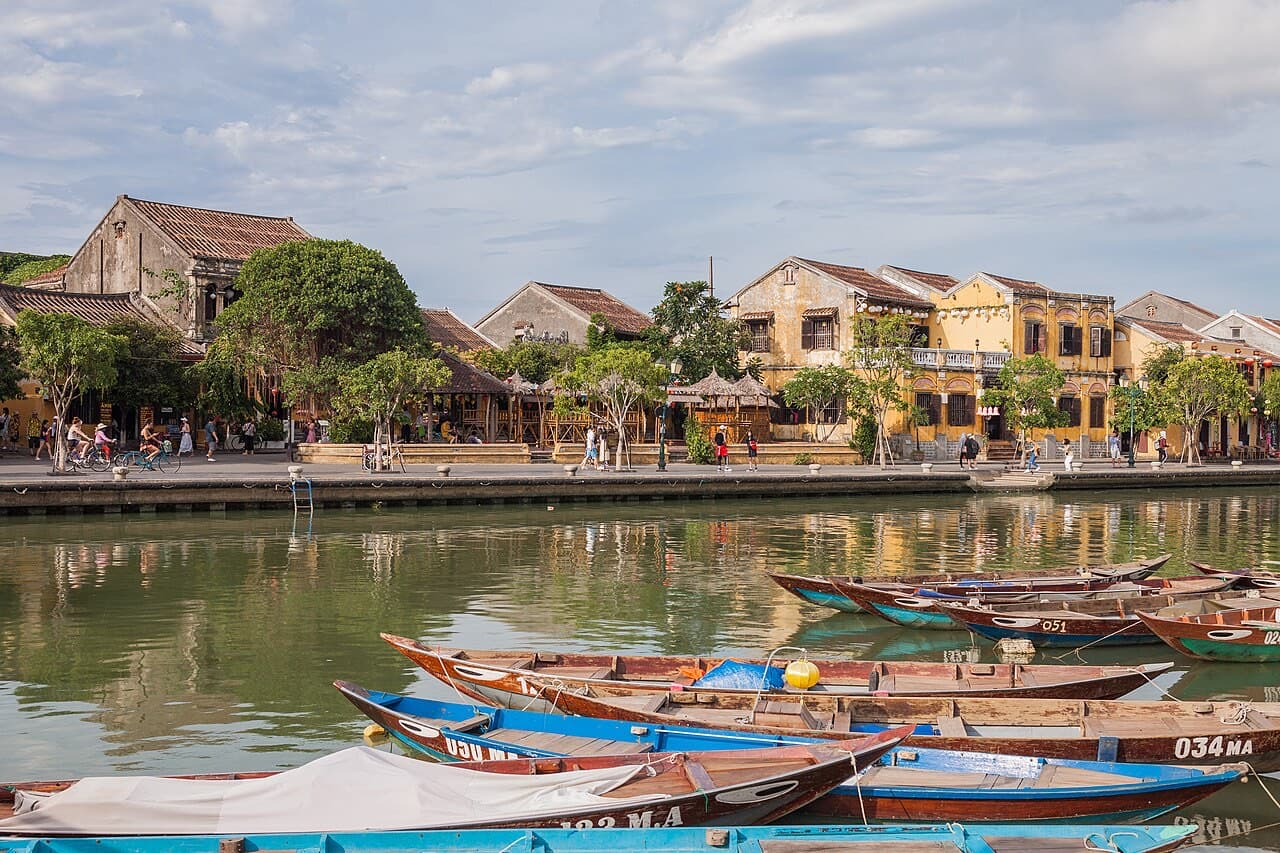
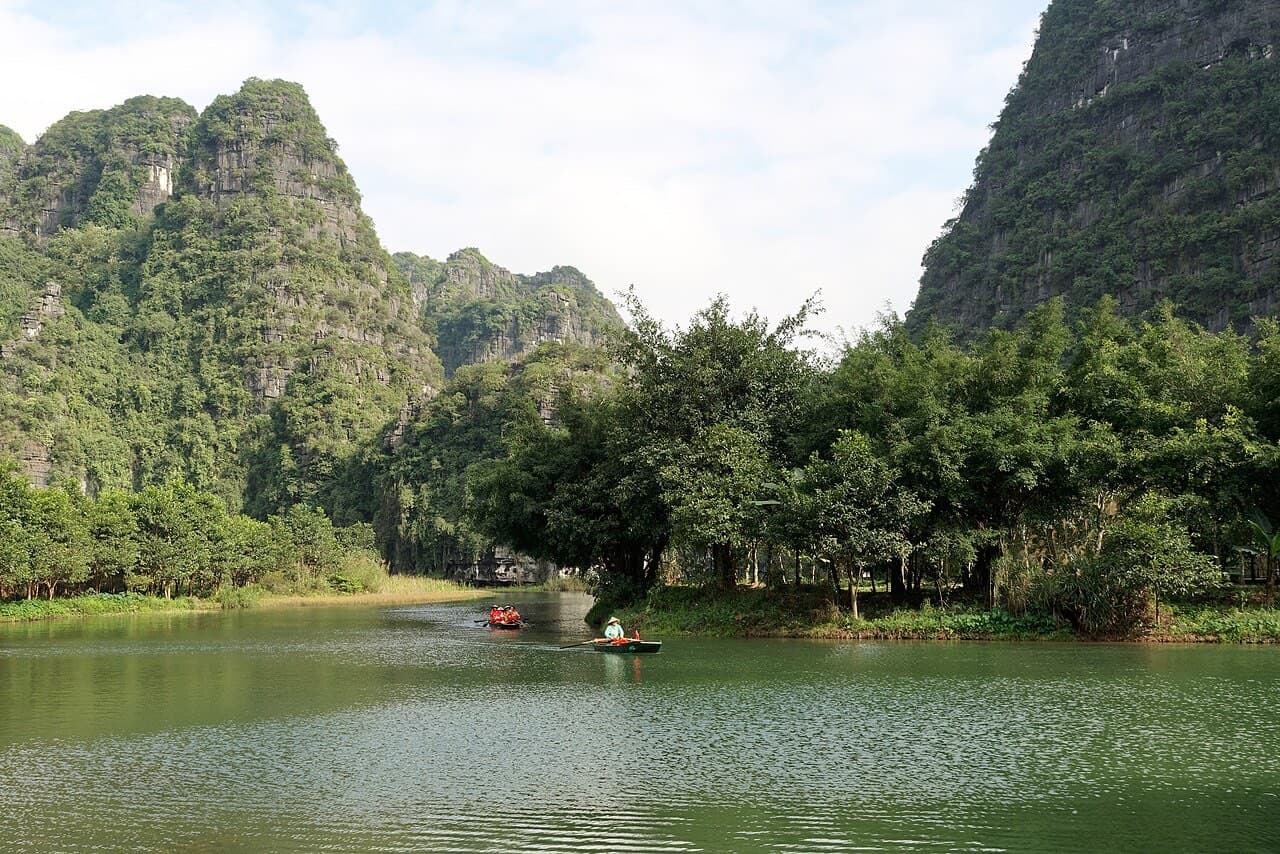
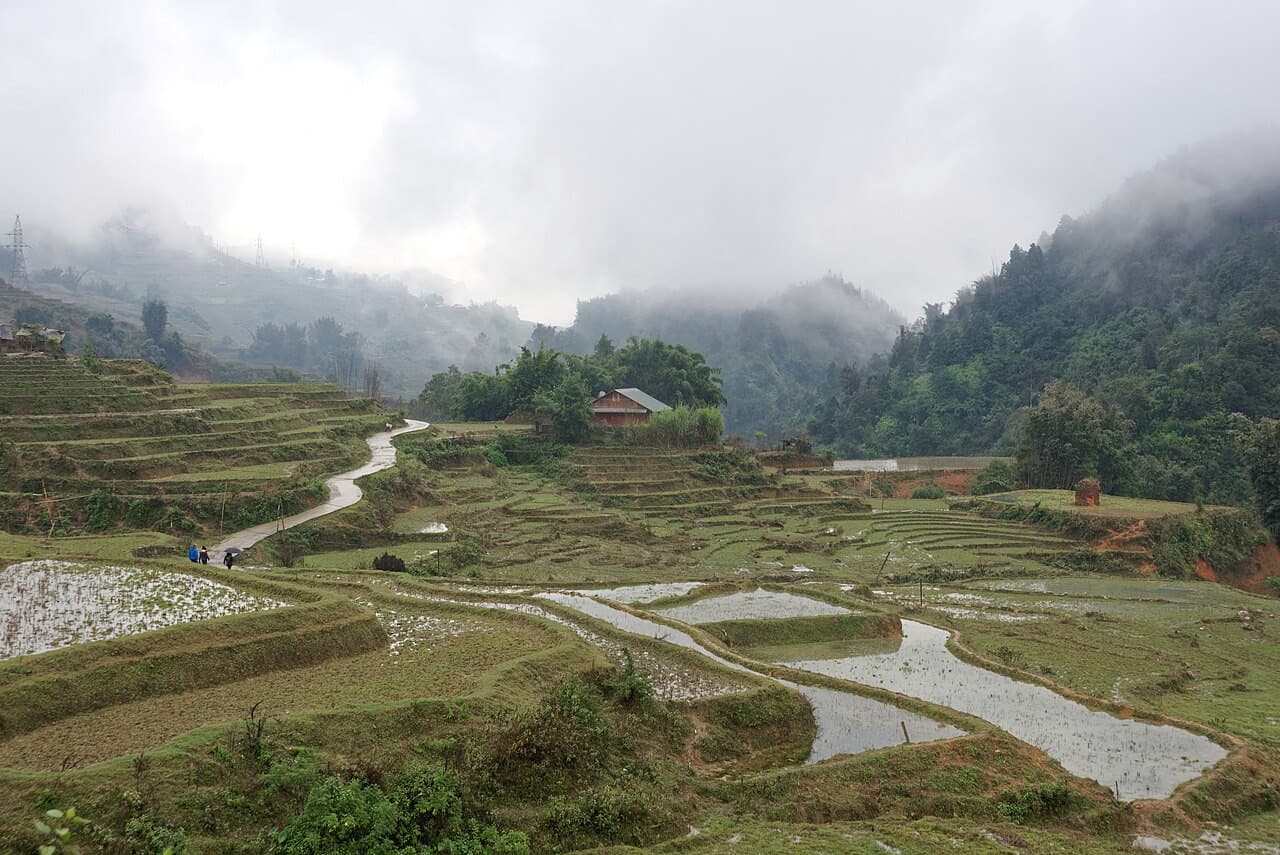
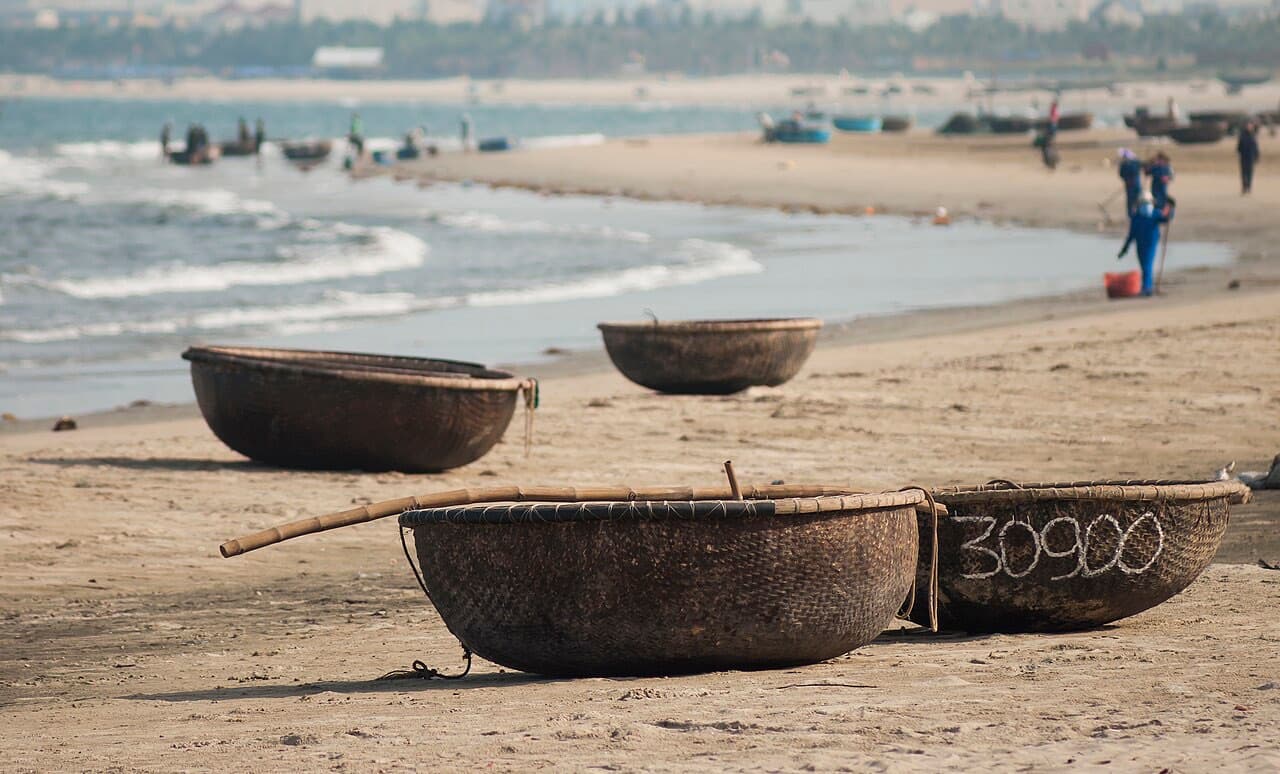
Vietnam runs for a great distance along the eastern edge of mainland South-East Asia, and its shape defines how people travel it. Most journeys follow the length of the country, north to south or the reverse, and the pleasure lies in how much changes along the way: the climate, the cooking, the accent, the pace of the streets.
The north is the most traditional in feel, with Hanoi's tree-lined boulevards and the limestone islands of Ha Long Bay. The centre holds the old trading port of Hoi An, a town of yellow walls, tailors and river light. The south is hotter, faster and more commercial, anchored by Ho Chi Minh City and the waterways of the Mekong Delta beyond.
Food is the thread that ties it together. Each region has its own noodle soups, herbs and street snacks, and eating on a low stool at the kerb is as much a part of the trip as any monument.
Why go
Vietnam combines strong, distinct regional cultures with landscapes that range from limestone seascapes to river deltas, and it does so along a single, logical line of travel. The food alone justifies the journey, and the towns and cities are at their most rewarding at street level, on foot, with time to stop.
How long to stay
Ten days is enough for a brisk north-to-south introduction with one stop in each region. Two weeks is noticeably more relaxed and allows a night on Ha Long Bay and unhurried days in Hoi An. With less than ten days, choose two regions rather than three.
A sensible first route
Travelling in one direction avoids backtracking. Starting in the north and finishing in the south works well, though the reverse is just as valid.
- Hanoi: three nights for the Old Quarter, the lakes and the capital's food.
- Ha Long Bay: one night on the water among the limestone islands.
- Hoi An: three nights for the old town, the countryside and the beach.
- Ho Chi Minh City: three nights, including a day out to the Mekong Delta.
Getting around
Because the country is so long, most visitors take at least one domestic flight; Hoi An has no airport of its own and is reached by road from nearby Da Nang. A railway runs the length of the coast and suits travellers with time who enjoy the journey itself. Long-distance buses and private cars fill the gaps. Within cities, walking, taxis and app-based rides are the usual options, and crossing the road is a skill worth learning: move steadily and predictably.
When to go
There is no single ideal season, because the north, centre and south have different weather patterns. The north has a cool, often grey winter and a hot, humid summer. The central coast tends to see its heaviest rain and storms in the later months of the year. The south is warm all year, with distinct dry and wet seasons. Spring and autumn are often good compromises for a full-length trip, but expect at least one region to be less than perfect.
Practical caveats
- Heat and humidity can be tiring. Plan outdoor sightseeing for mornings and late afternoons and rest in the middle of the day.
- Boat trips on Ha Long Bay depend on the weather and may be altered or cancelled at short notice.
- The quality of bay cruises and day tours varies widely; compare what is included and choose carefully.
- Dress modestly for temples, pagodas and memorial sites, and carry small notes for markets and street food.
Entry requirements, transport services, weather-related closures and opening times change. Verify them with official sources before you book, and check again shortly before you travel.